In a small kitchen, every single square inch counts. But the decision between open shelving and traditional upper cabinets goes far beyond just counting cubic feet of storage. It's the ultimate tug-of-war between making a space feel airy and open versus having a place to hide the inevitable clutter of a well-used kitchen.
This one choice will shape your daily workflow, how often you have to clean, and the entire personality of your kitchen. And let's be clear: there's no single 'right' answer that fits everyone. The best solution for you depends entirely on your habits, your stuff, and how you genuinely live in your space.
The core of the decision isn't just about storage volume; it's about managing 'visual weight'. Think of it as the amount of visual information your eye has to process. In a compact room, a wall of solid doors can feel heavy, but a collection of mismatched items on shelves can feel chaotic. Finding your personal tolerance for that visual weight is key to making a choice you'll love for years to come.
The Case for Open Shelving: An Airy, Accessible Choice
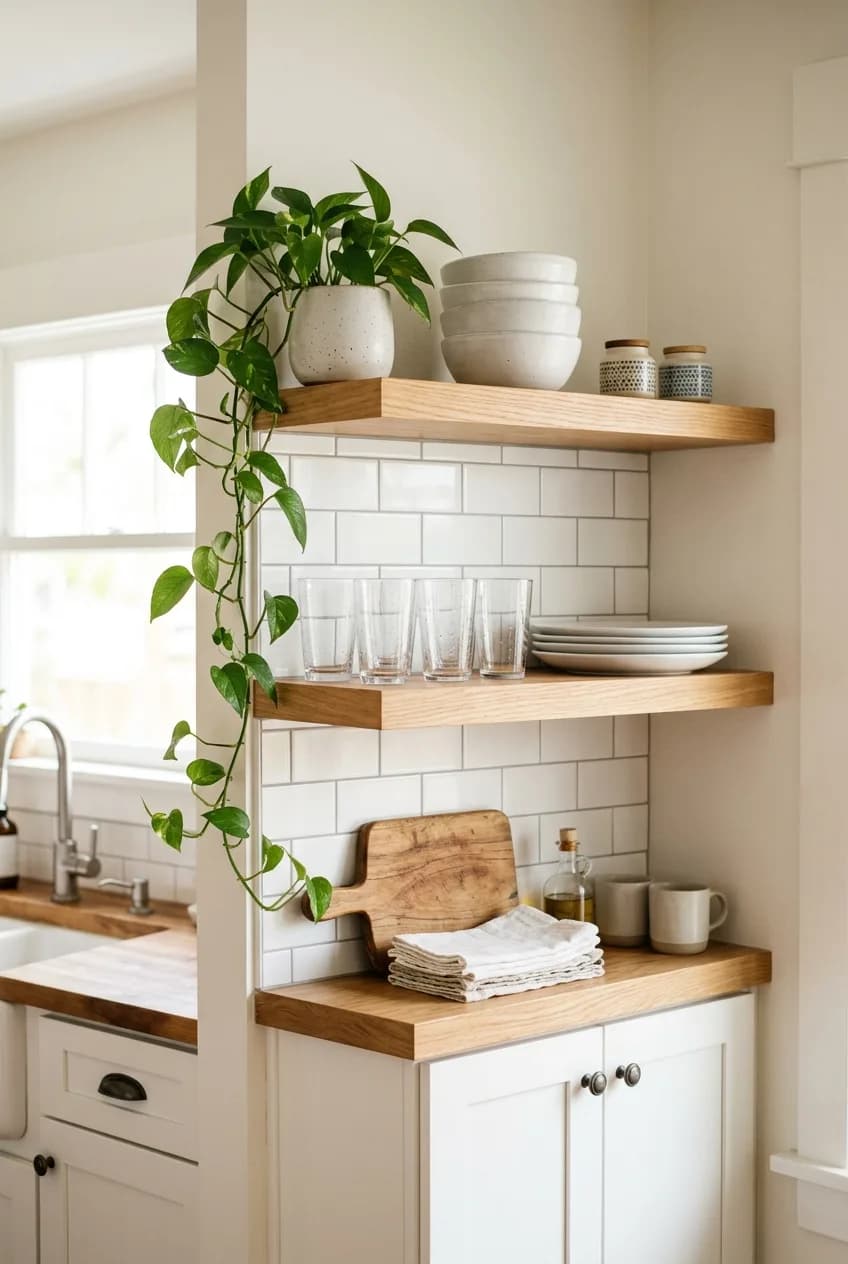
The primary appeal of open shelving is its ability to create an illusion of space. By removing the bulky boxes of upper cabinets, your sightlines extend all the way to the wall, making the entire kitchen feel larger, brighter, and more breathable. It’s an instant fix for a room that feels a bit claustrophobic.
Everything at Your Fingertips
There's an undeniable ease to grabbing your favorite coffee mug or everyday dinner plate right off a shelf. There are no doors to open or close, and you can see everything you own at a glance. This makes daily tasks like setting the table or unloading the dishwasher quicker and more intuitive. Spices, oils, and other cooking essentials are always within easy reach, streamlining your prep time.
A Showcase for Your Personality
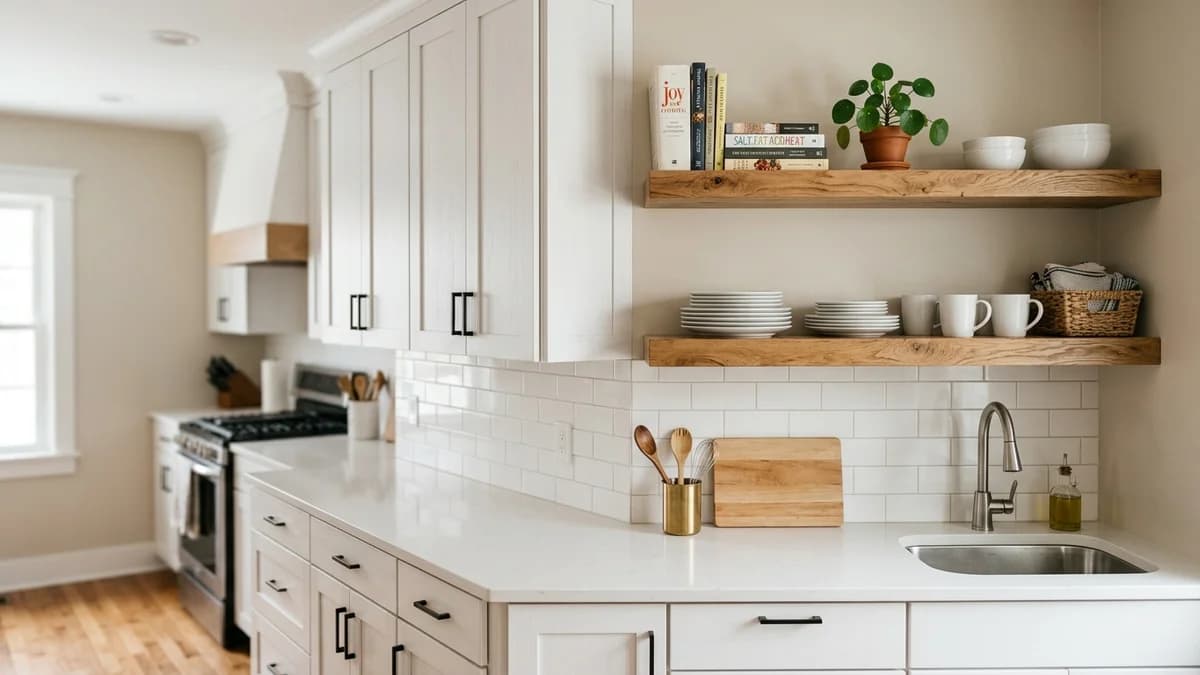
Shelves transform your functional kitchenware into a design element. That set of ceramic bowls you love? The vintage glasses you found at a flea market? They're no longer hidden away. Open shelving invites you to display your favorite items, turning a utilitarian wall into a curated display of cookbooks, small plants, and beautiful dishes. It’s one of the easiest ways to inject personality into a kitchen.
A non-obvious benefit here is that open shelves subtly encourage you to be more minimalist and organized. Because there's nowhere to hide mismatched or impulse-buy items, you naturally become more intentional about the things you own. Over time, this can lead to a more cohesive and curated collection of kitchenware that you truly love to see and use.
The Reality Check: Dust, Clutter, and Constant Curation
Of course, that beautifully styled look comes with a few significant trade-offs. The biggest drawback is the potential for visual clutter. If you're not naturally tidy, or if your dishware doesn't stack neatly, open shelves can quickly look messy and disorganized rather than artfully curated.
Then there’s the practical issue of dust and grease. Everything on your shelves is exposed, so a fine layer of dust mixed with airborne cooking grease will eventually settle on every surface. Items you use daily will stay clean enough through rotation, but anything decorative or less-frequently used will need regular dusting and wiping down. This adds a noticeable task to your cleaning routine.
More in Room Ideas
Small Kitchen Layout Planning: Your First-Timer's Guide
Finally, shelves offer no place to hide the less-than-lovely essentials. The half-empty box of cereal, the collection of mismatched promotional mugs, the plastic kids' cups—all these things have to go somewhere, and on open shelves, they're on full display. You have to be committed to decanting pantry goods into nice jars and letting go of items that don't fit your aesthetic.
Shelf Material | Best For... | Typical Cost (per 36" shelf) | Considerations |
|---|---|---|---|
Solid Wood (Oak, Maple) | A warm, classic, or rustic look. Very sturdy for heavy dishes. | $50 - $150 | Requires proper sealing to prevent stains and water damage. |
Reclaimed Wood | Industrial, farmhouse, or eclectic styles. Adds unique character. | $70 - $200+ | Surface may be uneven; ensure it's been properly cleaned and treated. |
Painted MDF | A clean, seamless, modern look. Budget-friendly. | $30 - $80 | Less durable than solid wood; can sag if overloaded or not properly supported. |
Metal (Stainless Steel) | Professional, industrial aesthetic. Highly durable and easy to clean. | $80 - $250 | Can show fingerprints and scratches; may feel cold or clinical in some designs. |
The Case for Upper Cabinets: The Ultimate Organizational Tool
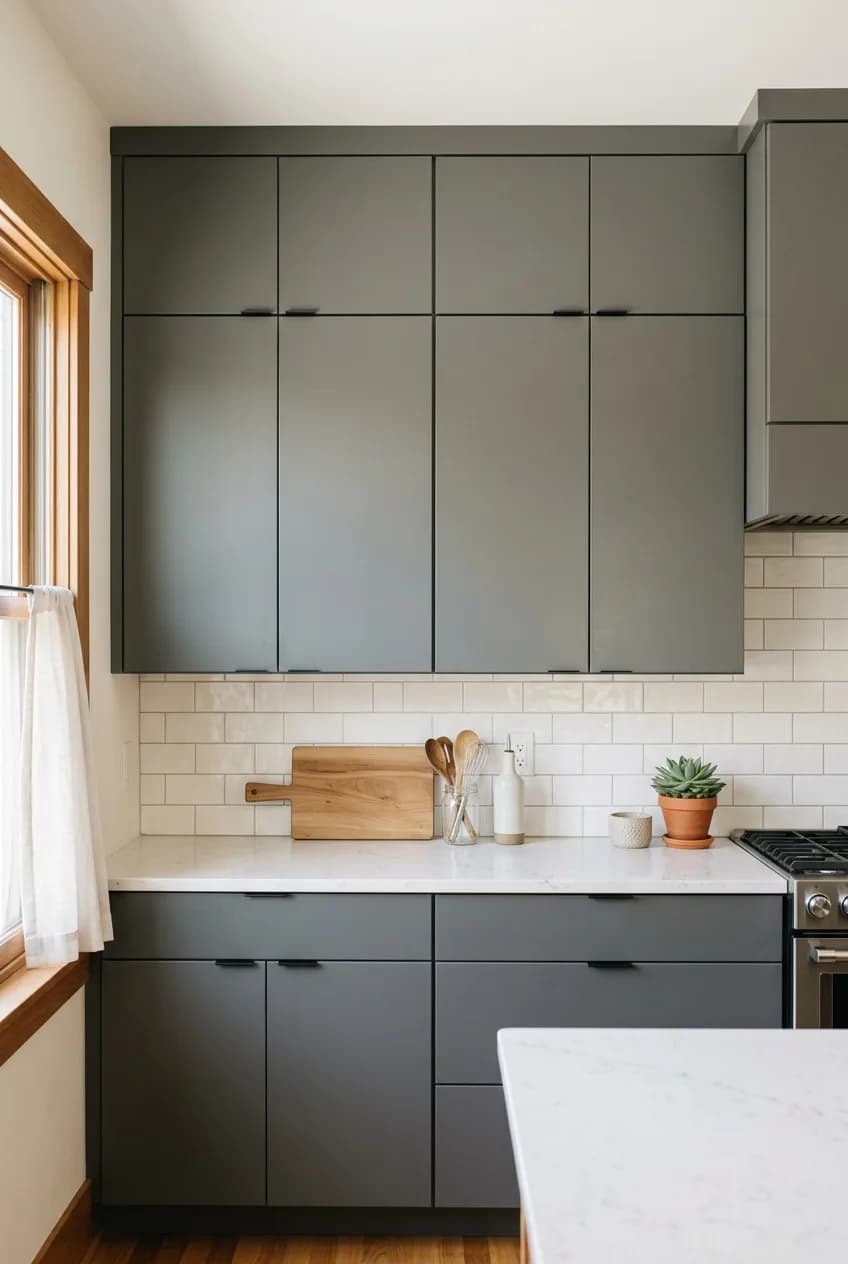
For every drawback of open shelving, upper cabinets offer a straightforward solution. Their power lies in their ability to conceal, contain, and organize absolutely everything, creating a calm and orderly kitchen environment.
Unmatched Storage and Concealment
There's no contest when it comes to pure storage volume: cabinets win. You can stack items high and deep, utilizing every available inch. More importantly, you can close the door on it all. This ability to hide clutter is a massive advantage in a small kitchen, which can feel chaotic with very little effort. A wall of uniform cabinet doors creates a clean, serene, and cohesive look.
The psychological benefit of this can't be overstated. Especially in a small home where your kitchen might be part of your main living area, the visual 'quiet' provided by uniform cabinet doors can be far more calming and restorative than the perceived openness of shelves filled with individual items.
Protection from Dust and Grease
Behind a closed door, your dishes, glasses, and food items are completely protected from the daily grime of cooking. This means less frequent cleaning of individual items. You might wipe down the cabinet fronts weekly, but the contents inside stay pristine. This is a huge practical advantage for anyone who cooks frequently or is sensitive to dust.
- Shelf Risers: Tiered risers can double the usable surface area on a single shelf, making it easy to see and access plates or canned goods in the back.
- Lazy Susans: Perfect for deep corner cabinets, turntables bring items from the back to the front with a simple spin.
- Pull-Down Shelves: These mechanisms bring the entire contents of a high shelf down to a reachable level, great for accessibility.
- Vertical Dividers: Thin metal or wood dividers are ideal for organizing baking sheets, cutting boards, and platters vertically so you can grab one without unstacking everything.
The Downsides: The 'Boxing-In' Effect
Despite their practicality, upper cabinets can have a significant downside in a small space. A solid bank of cabinets, especially in a dark color, can make a kitchen feel top-heavy and visually shrink the room. They can literally cast a shadow over your workspace, making the kitchen feel darker and more enclosed.
That deep storage also creates its own problem: the dreaded back-of-the-cabinet black hole where items get pushed and forgotten for years.
A crucial factor for many is the budget. Cabinets are almost always a more significant investment than shelving. Between the cost of the cabinet boxes, doors, hardware, and professional installation, the price can be substantial, easily running into the thousands for a small run. More subtly, standard 12-inch deep uppers can make your prep area feel cramped, discouraging you from using the back half of your countertop—a powerful illusion that affects how you use the kitchen every day.
The Hybrid Solution: Getting the Best of Both Worlds
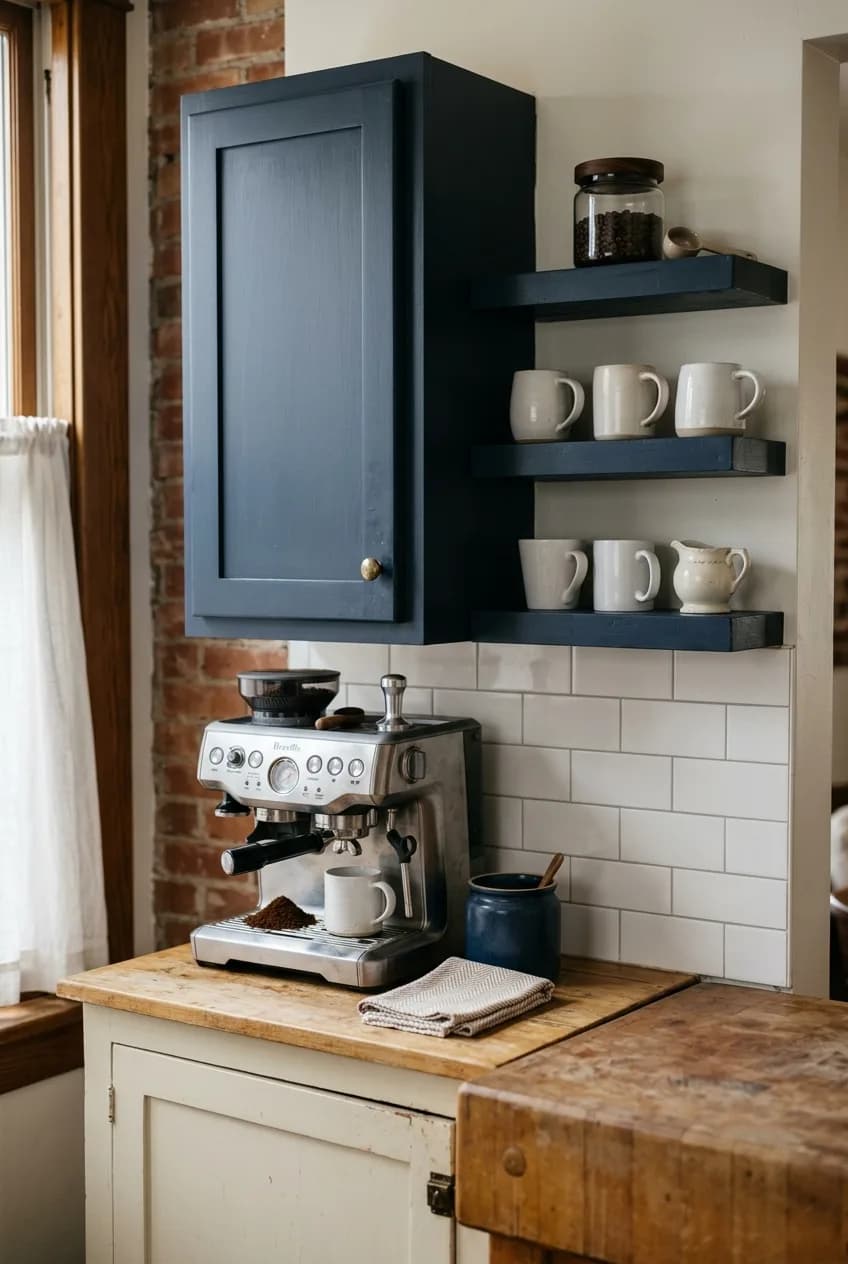
So, what if you want the airy feel of shelves and the practical storage of cabinets? The good news is you don't have to choose.
Think in Zones, Not Absolutes
A hybrid approach is often the most effective and personalized solution for a small kitchen. The key is to think strategically: use upper cabinets where you need serious, concealed storage—for pantry items, mismatched pots, and bulky small appliances. Then, incorporate a smaller section of open shelving for items you use every day and want to display. This could be a couple of shelves next to a window, above the sink for glasses, or over a coffee bar for your favorite mugs. This thoughtful placement makes the mix feel intentional and custom, creating functional 'zones' rather than a random compromise.
The Middle Ground: Glass-Front Doors
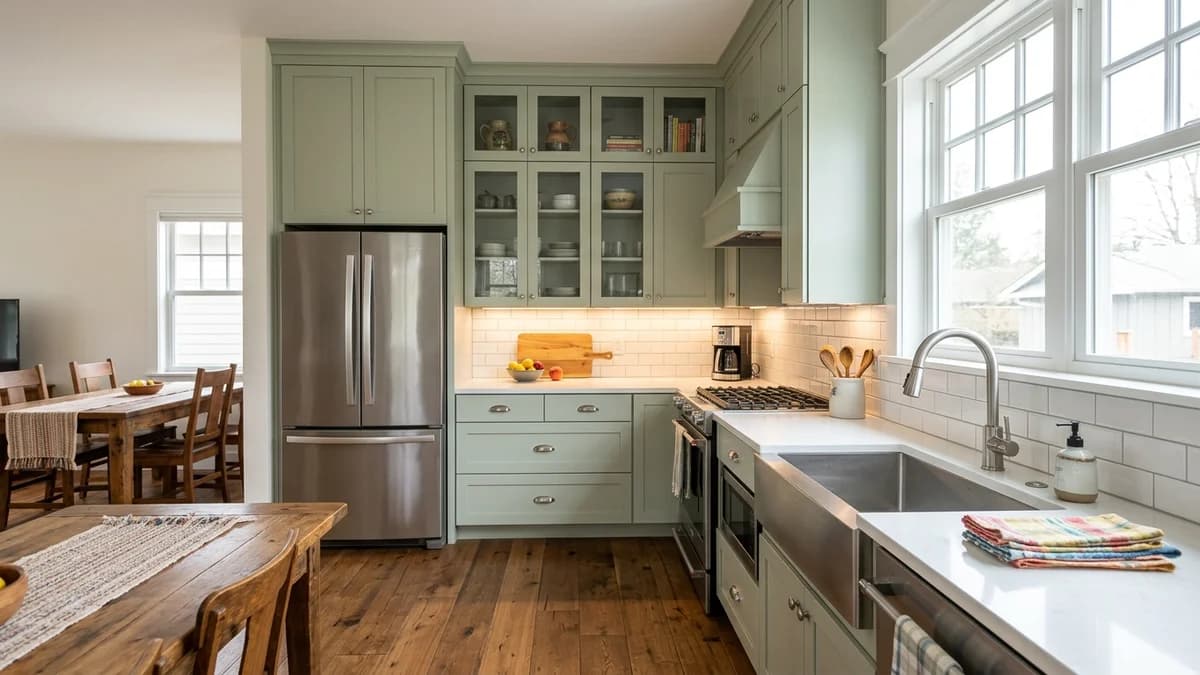
If you're still wary of the dust but want a lighter look, consider glass-front cabinets. They offer a great middle ground. You get the protection from dust and grease that a door provides, but the transparency breaks up the visual bulk of solid wood, creating a more open feeling. You still have to keep the contents reasonably tidy, but it's far more forgiving than fully open shelving.