Look around your living room. Is it a collection of pieces you truly love, gathered over time? A hand-me-down dresser from your parents, a curb-side find you couldn't resist, a sofa from your first apartment. While each piece has a story, the result can sometimes feel less like a curated collection and more like a chaotic jumble.
Before you start browsing for all-new matching sets, take a breath. You don't need a huge budget or a truckload of new pieces to create a room that feels cohesive and intentional. The secret is to stop fighting the mismatch and instead use clever styling strategies to make it all work together beautifully.
With a little thoughtful styling—and almost no shopping—you can transform your random assortment of furniture into a space that looks like it was pulled straight from a designer's portfolio. Here’s how you do it.
Establish a Unifying Color Palette
The fastest way to make disparate items feel like they belong together is to connect them with color. By choosing a clear color story for the room, you give your eye a theme to follow, which makes the different furniture styles feel less random and more like part of a deliberate plan.
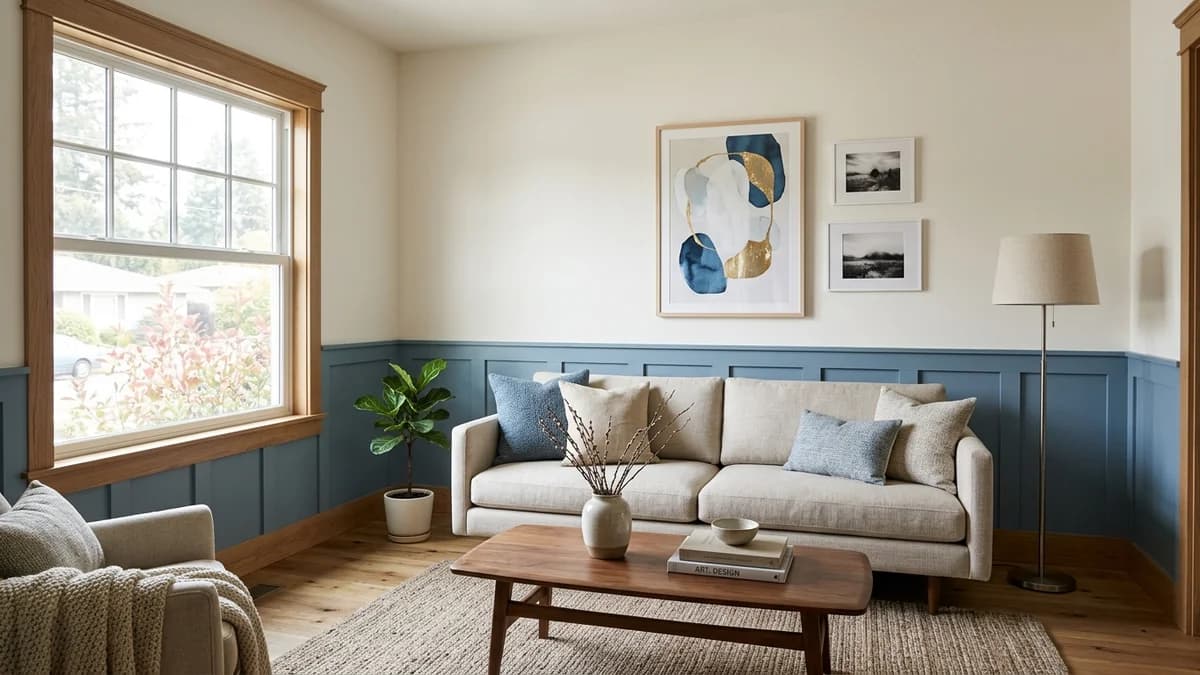
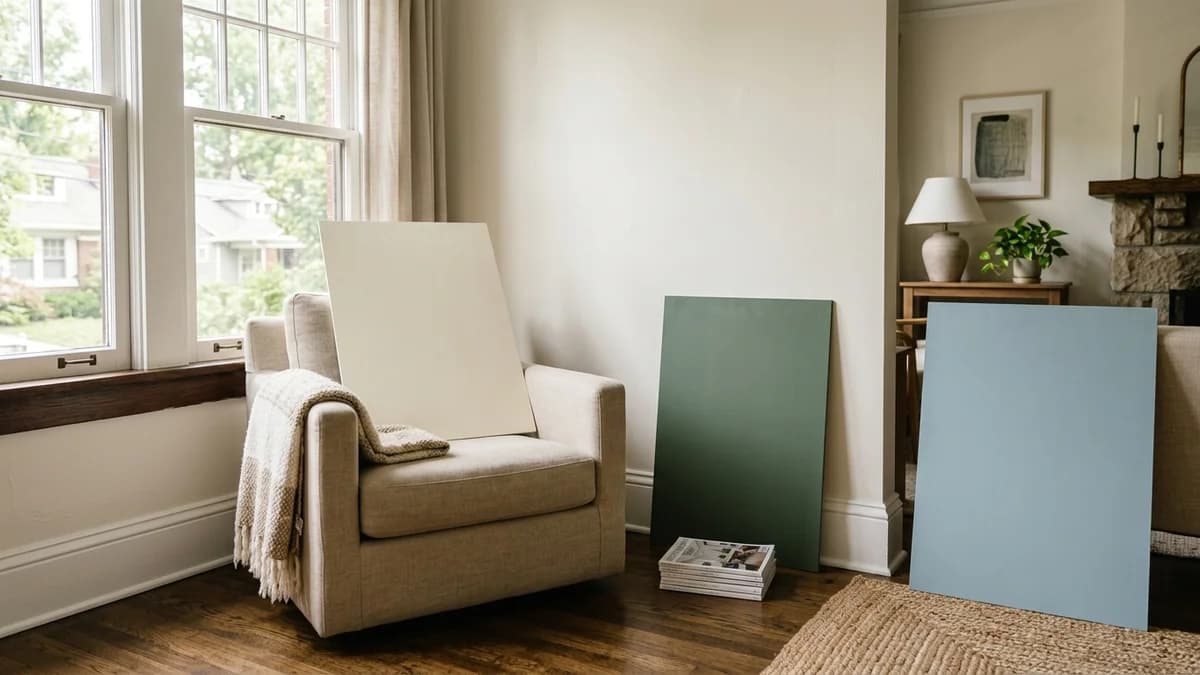
Start by picking a palette of three to five colors. You can pull these from an existing piece you love, like a piece of art or a rug. Then, apply the classic 60-30-10 rule to create a balanced space. Your dominant color (60%) should cover large surfaces like walls. Your secondary color (30%) can appear on furniture, curtains, or an accent chair. Finally, your accent color (10%) provides pops of interest on smaller items like pillows, vases, and lamps.
Here's the real trick: the unifying color doesn't have to be on the furniture itself. A dominant, unifying wall color can serve as a powerful backdrop that makes everything in front of it feel connected. Similarly, a large, multi-toned area rug can act as an 'anchor,' pulling in the different colors of your sofa, chairs, and wood pieces, and making them all feel like they're part of the same conversation.
The Strategic Use of Paint and Finish
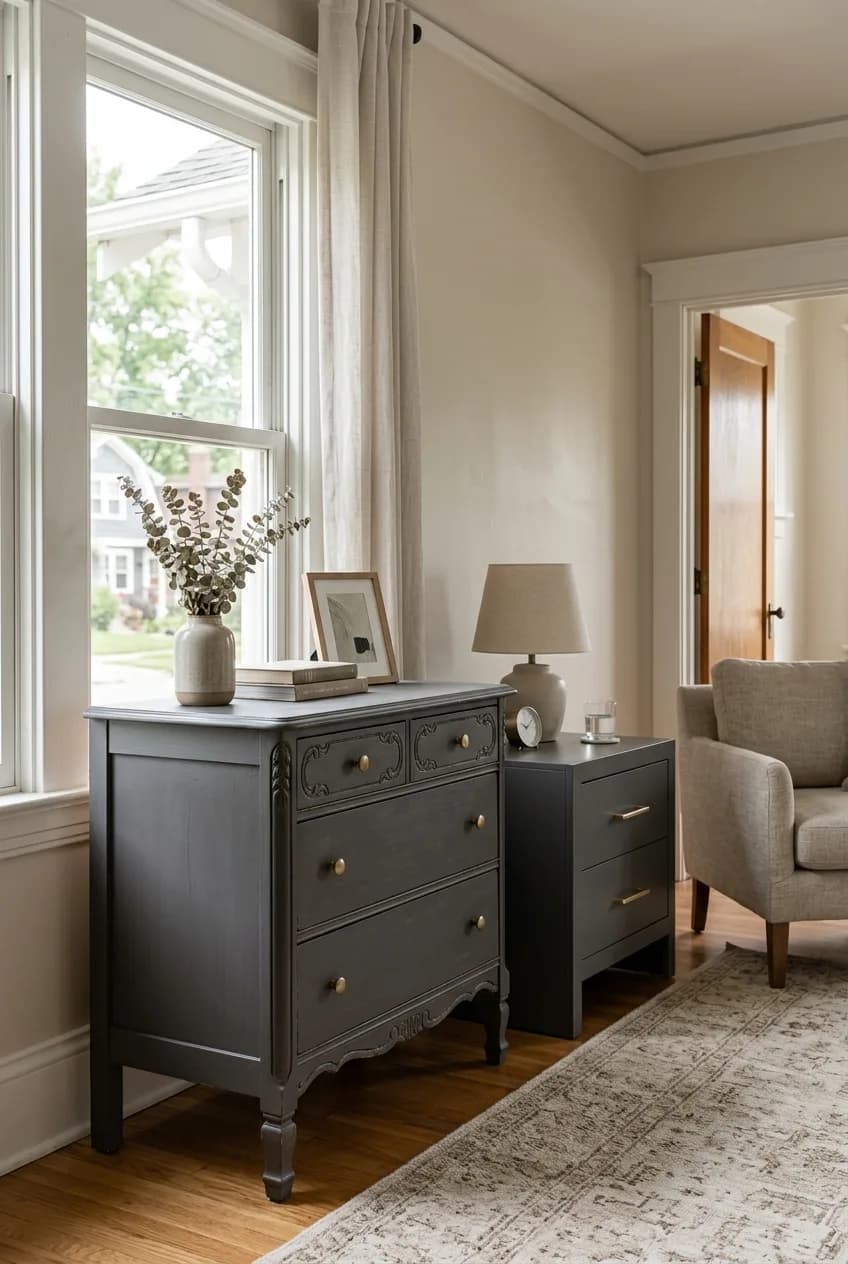
Paint is your most powerful tool for creating unity out of chaos. It can instantly erase visual clutter and forge connections where none existed before. Whether you go for a bold statement or a subtle shift, a fresh coat can work wonders.
Go Bold with a Monochromatic 'Set'
Have a vintage nightstand, a modern bookshelf, and a traditional side table? Paint them all the exact same color. A dramatic, saturated shade like a deep navy, charcoal gray, or even black can turn a random assortment of pieces into what looks like a custom, high-end set. This method works especially well on pieces with different shapes and styles, as the shared color forces the eye to focus on their collective impact rather than their individual differences.
For a subtler approach, you can work with a tonal palette. Choose a single color you love and paint your different pieces in various shades, tints, and tones of it—a light blue dresser, a medium blue chair, a deep navy side table. This creates a sophisticated, layered look that feels cohesive without being perfectly matched.
And here’s an insider tip: you don't have to paint the whole piece. Consider painting just one consistent element across several items. For example, painting only the legs of a wooden dining table, a set of mismatched chairs, and a console table in the same matte black creates a subtle but powerful visual thread that ties them all together.
Unify Clashing Wood Tones
Mixing wood tones can create a rich, collected-over-time look, but sometimes it just looks messy. If you have a warm cherry dresser next to a cool-toned ash table, for instance, the undertones can clash. Instead of trying to match the exact wood color (which is nearly impossible), focus on unifying their undertones. You can use a tinted wax or a gel stain to nudge all your pieces in a warmer or cooler direction. This small adjustment helps the woods harmonize rather than compete.
Unifying Method | Best For | Effort Level |
|---|---|---|
Solid Paint (Monochromatic) | Very different styles and materials; creating a bold, cohesive 'set'. | High (Requires sanding, priming, and painting) |
Tonal Paint (Shades of one color) | Creating a softer, layered look with a more subtle connection. | High |
Tinted Wax or Gel Stain | Harmonizing clashing wood undertones (warm vs. cool) without hiding the grain. | Medium |
Connect the Dots with Cohesive Textiles
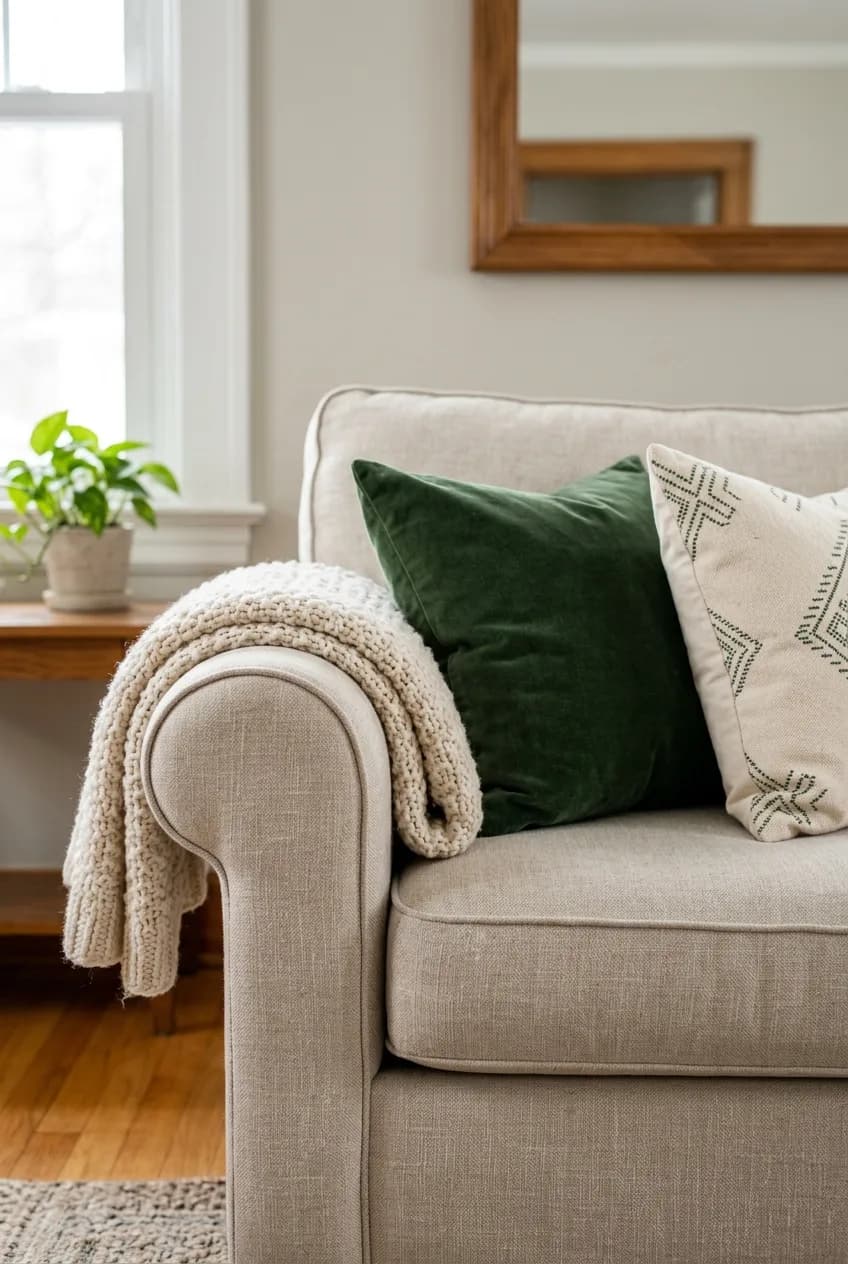
If you don’t want to permanently alter your furniture with paint, textiles are your best friend. Fabric, patterns, and texture can bridge the gap between even the most different furniture styles, from modern to vintage and everything in between.
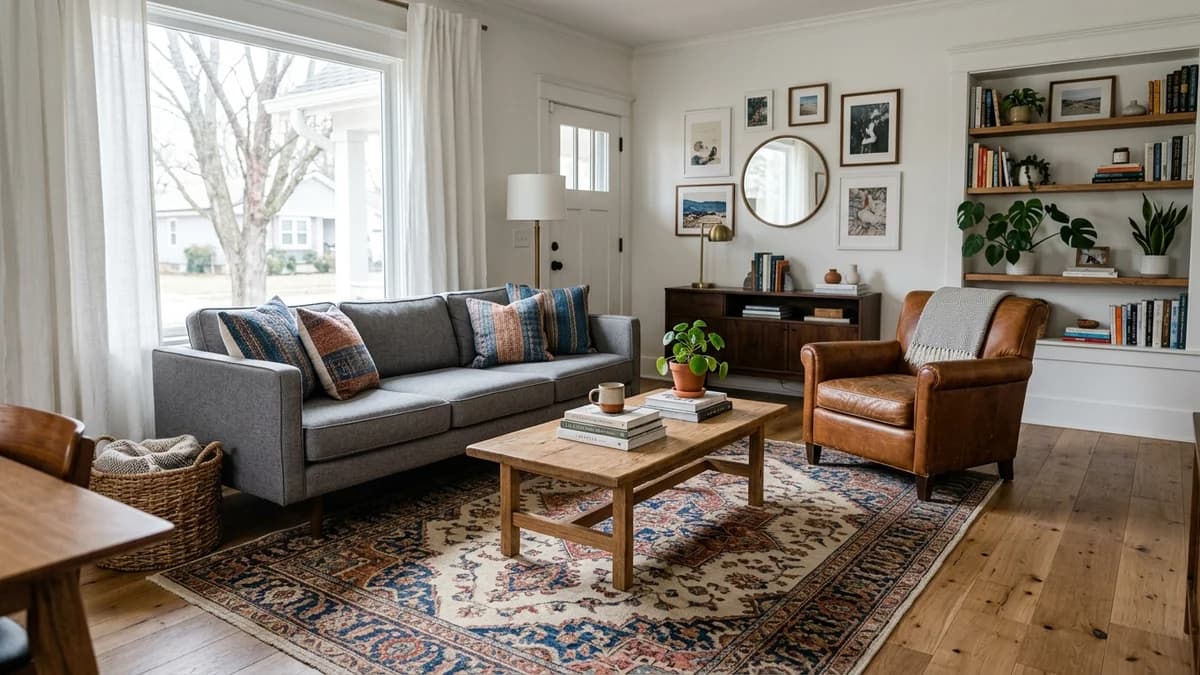
The easiest way to do this is with repetition. Buy enough of one fabric you love to make throw pillows for both your traditional sofa and your modern armchair. Or use that same fabric to cover a dining chair seat and to make window curtains. This creates an immediate visual link that tells your brain these pieces belong in the same room.
More in Home Decor
Two-Tone Walls vs. an Accent Wall: The Best Paint Trick for Your Small Room
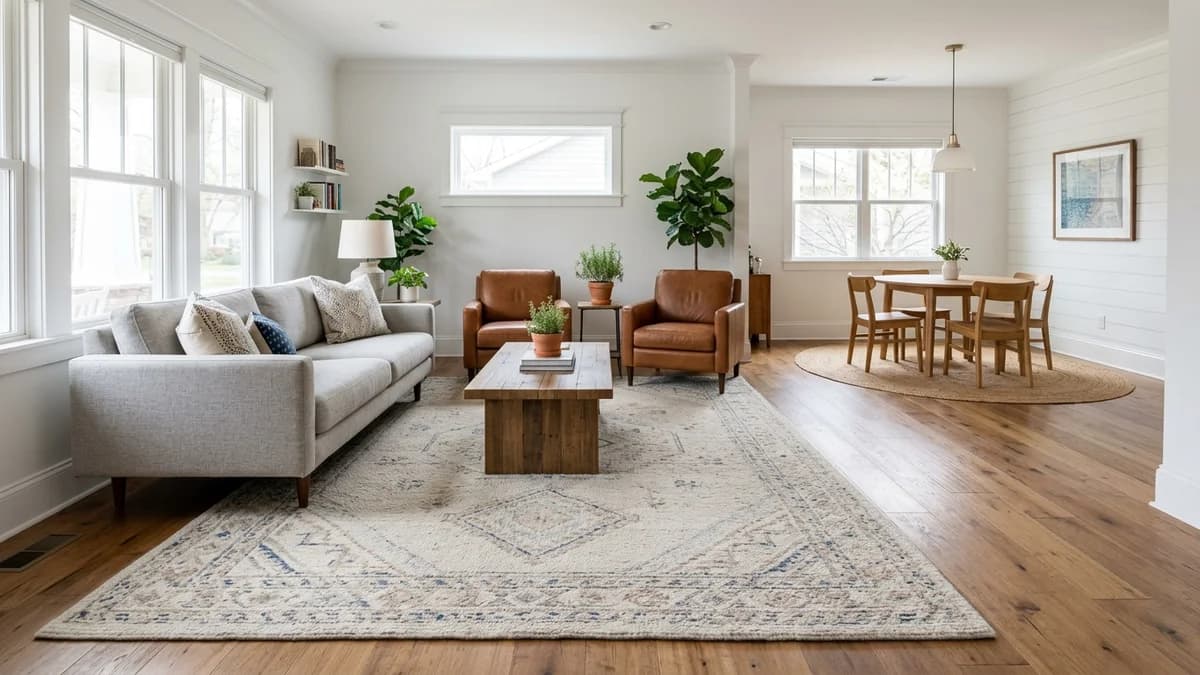
A large area rug is another game-changer. Find one that incorporates the colors of your main furniture pieces—the beige of your sofa, the dark brown of your coffee table, the blue of your accent chair. By reflecting all the key colors in one place, the rug literally ties the room together from the ground up.
Don't underestimate the power of a simple throw blanket. Draping similar throws (in color or texture) over the backs of two visually discordant chairs can soften their lines and create a sense of kinship. Even better, textiles can alter the perceived style of a piece. A graphic, geometric-patterned throw can make a classic wingback chair feel more contemporary, helping it blend seamlessly with a sleek, modern sofa.
Create Harmony Through Strategic Arrangement
Sometimes, making a room feel cohesive isn't about changing the pieces, but changing where you put them. A thoughtful furniture layout can make even the most eclectic mix feel purposeful and curated.
Build Intentional Zones
Instead of scattering furniture randomly, group items to create distinct zones. A sofa and two mismatched armchairs can be pulled closer together around a coffee table to form a conversational grouping. A lonely desk in a corner can be paired with a comfy chair and a lamp to create a dedicated reading or work nook. When the layout feels intentional, the collection of furniture feels intentional, too.
Use Symmetry and Balance Visual Weight
Symmetry is a powerful tool for creating order. For instance, if you have two very different chairs, place them on opposite sides of a sofa. Then, place identical end tables and lamps next to each chair. The matching pairs of tables and lamps create a symmetrical frame that makes the mismatched chairs look like a deliberate, stylish choice.
It's also crucial to balance the visual weight in the room. Avoid clumping all your heavy, dark wood pieces in one corner and all your light, leggy pieces in another. Instead, distribute them. Place a heavy wooden dresser on one wall and balance it with a substantial sofa on the opposite wall. This prevents one area from looking chaotic and heavy while another looks sparse.
Ultimately, the goal isn't to hide the fact that your furniture is mismatched. It's about leaning into it. When you arrange your pieces with confidence and create deliberate, balanced vignettes, you reframe the story from 'mismatched and messy' to 'eclectic and curated'.
Unify with Consistent Hardware and Decor
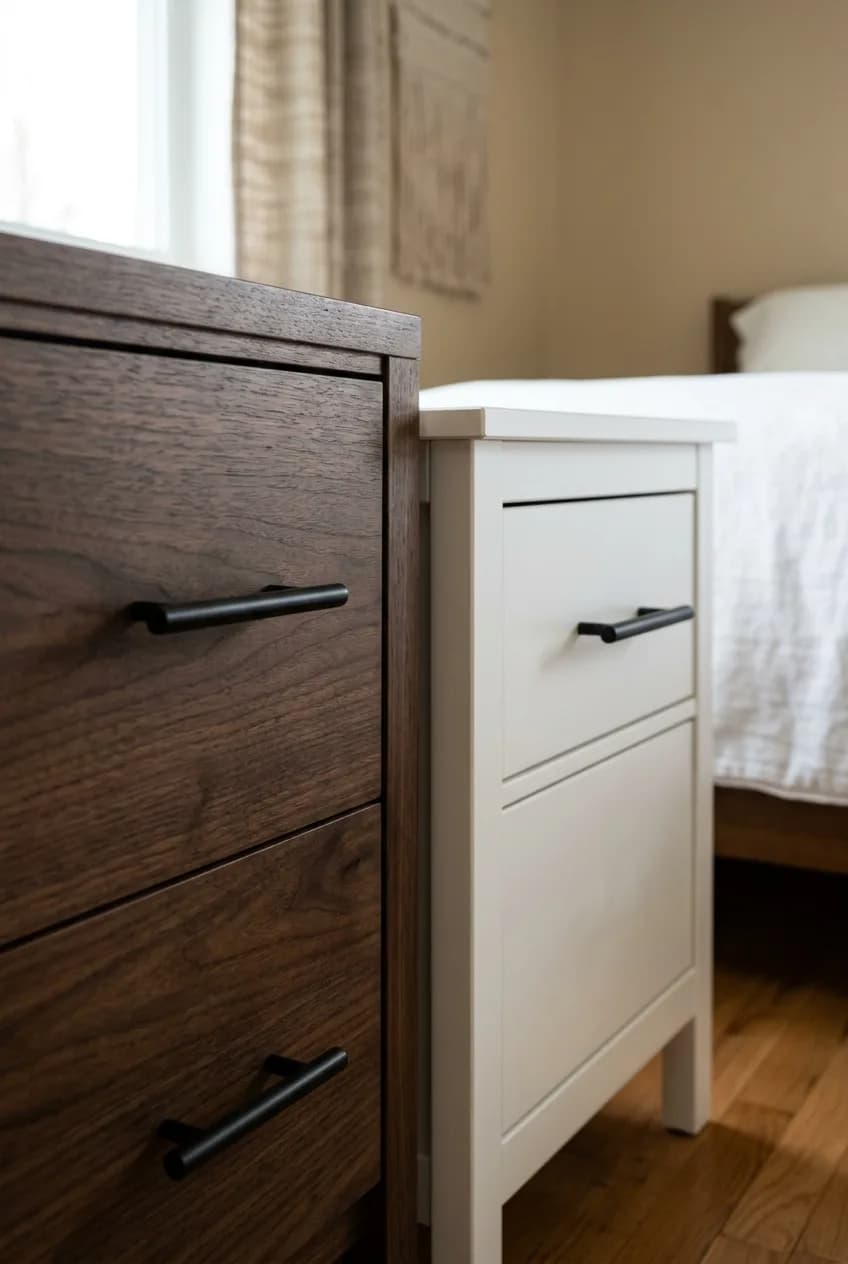
Often, the cheapest and fastest way to make unrelated furniture feel like a coordinated collection is to focus on the small details. The eye registers repeated shapes, materials, and finishes more than we realize, and you can use this to your advantage.
Take a look at the hardware on your furniture. The wooden knobs on your dresser, the tarnished brass pulls on a nightstand, the sleek chrome handles on a media console—they’re all speaking a different language. A simple trip to the hardware store can fix this. By replacing all the disparate knobs and pulls with one consistent style and finish, you create an instant family resemblance.
- For a modern, cohesive look, try swapping all hardware for matte black pulls.
- For a touch of warmth and elegance, use brushed brass across all pieces.
- For a classic or farmhouse feel, consider simple oil-rubbed bronze knobs.
- For a soft, organic touch, leather or ceramic pulls can work wonders.
This trick works beyond hardware. Repeat a specific material throughout your decor. If you have a brass floor lamp, add a brass vase to the bookshelf and a brass bowl to the coffee table. Use only black metal picture frames on the walls. These small, repeating elements trick the brain into seeing a connection, making the large, mismatched furniture pieces in between feel like they belong to the same 'family'.