Afrobohemian style is so much more than a trend—it's a rich, soulful fusion of African cultural heritage and the free-spirited, eclectic nature of bohemian design. It’s about creating a space that feels collected, deeply personal, and tells a story of history, artistry, and connection. If you're hoping to craft a living room that's warm, inviting, and vibrant with personality, this is your starting point. These nine ideas will help you artfully blend these two powerful aesthetics into a beautiful, cohesive story.
1. Establish a Grounding Foundation with an Earthy Palette
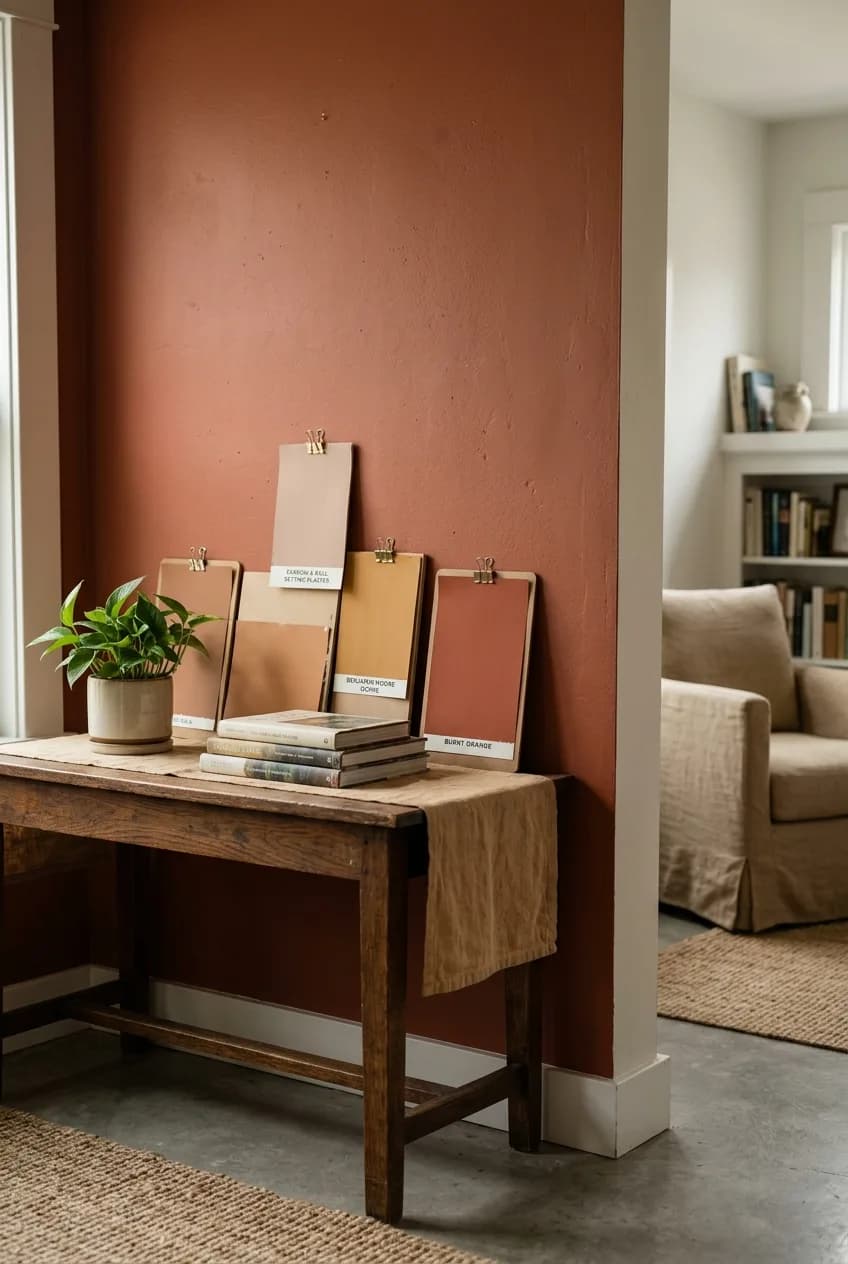
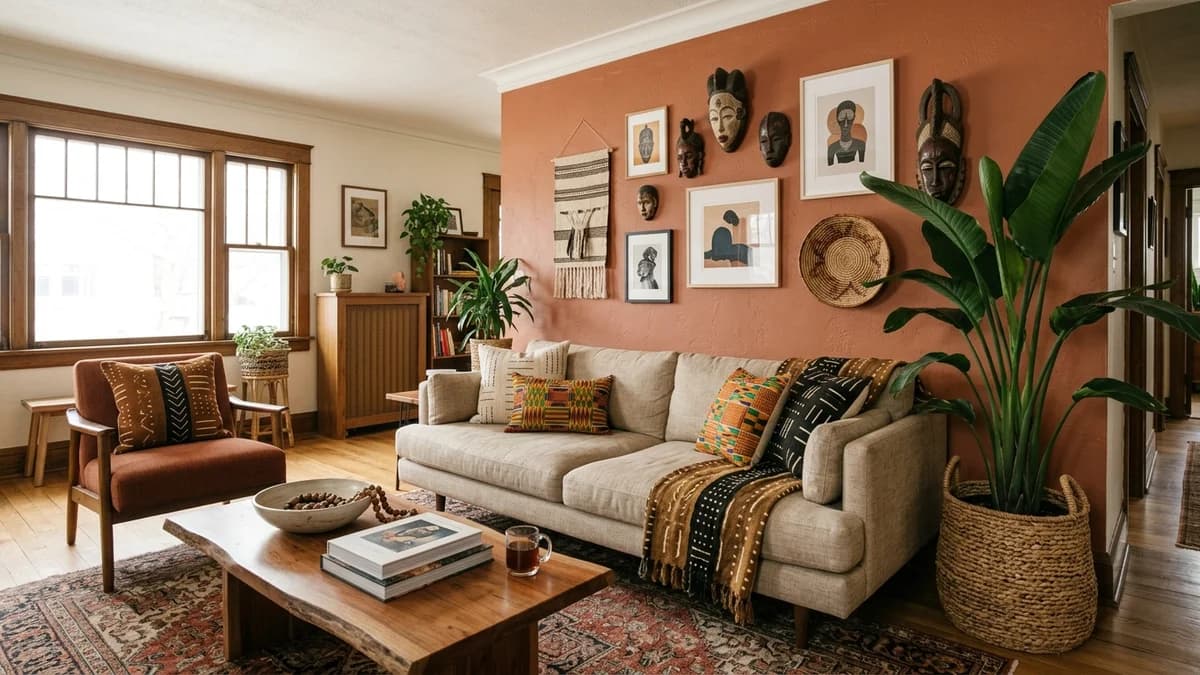
Before you bring in a single pattern, start with a color palette that feels grounded and warm. Think of the rich tones of the earth: terracotta, ochre, deep coffee browns, and muted sand. These colors on your walls and for large furniture pieces, like a sofa, create a perfect canvas. This warm, neutral base allows the vibrant colors and intricate patterns of your textiles and art to truly sing without overwhelming the room.
This color scheme isn't just a design choice; it's a symbolic nod to African landscapes. It creates a grounding, authentic energy that connects the room to nature before any decorative elements are even added. For a dramatic touch, consider a single accent wall in a bolder but still earthy shade, like a deep burnt orange or a moody teal, to create a stunning focal point.
2. Layer a Rich Tapestry of Authentic African Textiles
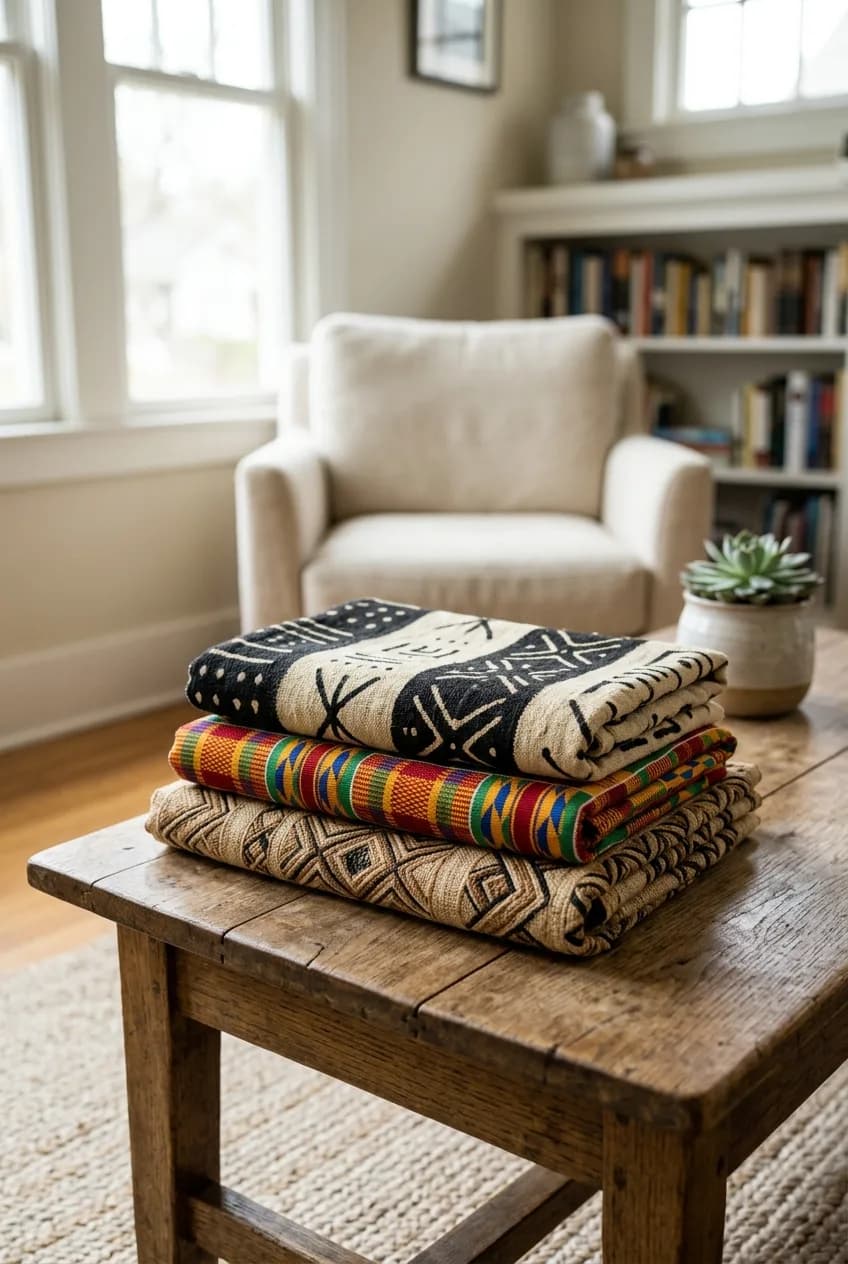
Textiles are the heart of Afrobohemian design. Incorporate iconic, story-rich fabrics like mudcloth (Bògòlanfini) from Mali, with its symbolic patterns, the vibrant woven strips of Kente cloth from Ghana, or the intricate appliqué of Kuba cloth from Congo. These can be used as throw pillows on a sofa, draped as a blanket over a chair, hung on the wall as a tapestry, or even used to reupholster a statement armchair.
To mix these powerful patterns without creating chaos, stick to a consistent color family or vary the scale of the prints—pair a large-scale graphic mudcloth pillow with a more finely detailed Kente throw. Sourcing even one authentic, handmade textile adds a story and soul that mass-produced 'tribal print' items simply can't replicate. It becomes a piece of art, not just decoration.
3. Incorporate Raw, Natural Materials and Hand-Carved Pieces
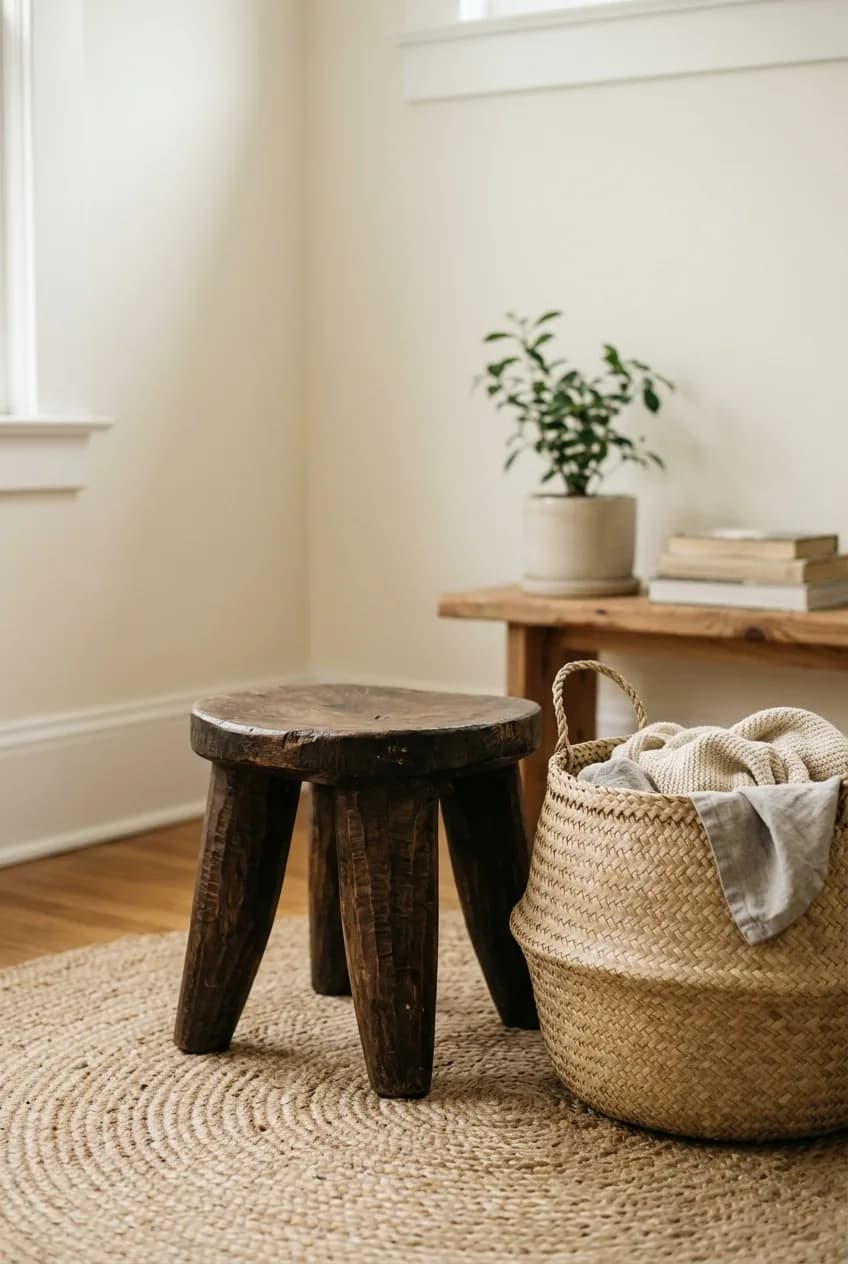
Texture is just as important as pattern and color in this aesthetic. Bring in plenty of raw, organic materials to add depth and a tactile quality. Think rattan or cane for accent chairs, jute for rugs, and large seagrass baskets for storing blankets or housing plants. Unstained, raw wood is also key, whether it's a live-edge coffee table or simple floating shelves.
Look for unique, hand-carved pieces that show the mark of the maker, like a Senufo stool from West Africa, which can serve as a side table or extra seating. In Afrobohemian design, the slight imperfections—the uneven weave of a basket or the distinct grain of a wooden stool—aren't flaws. They are celebrated as signs of craftsmanship and authenticity that give the room its unique character.
More in Home Decor
Everything to Know About Light Reflectance Value (LRV) Before Choosing Paint
4. Curate a Meaningful Gallery of African and Black Diaspora Art
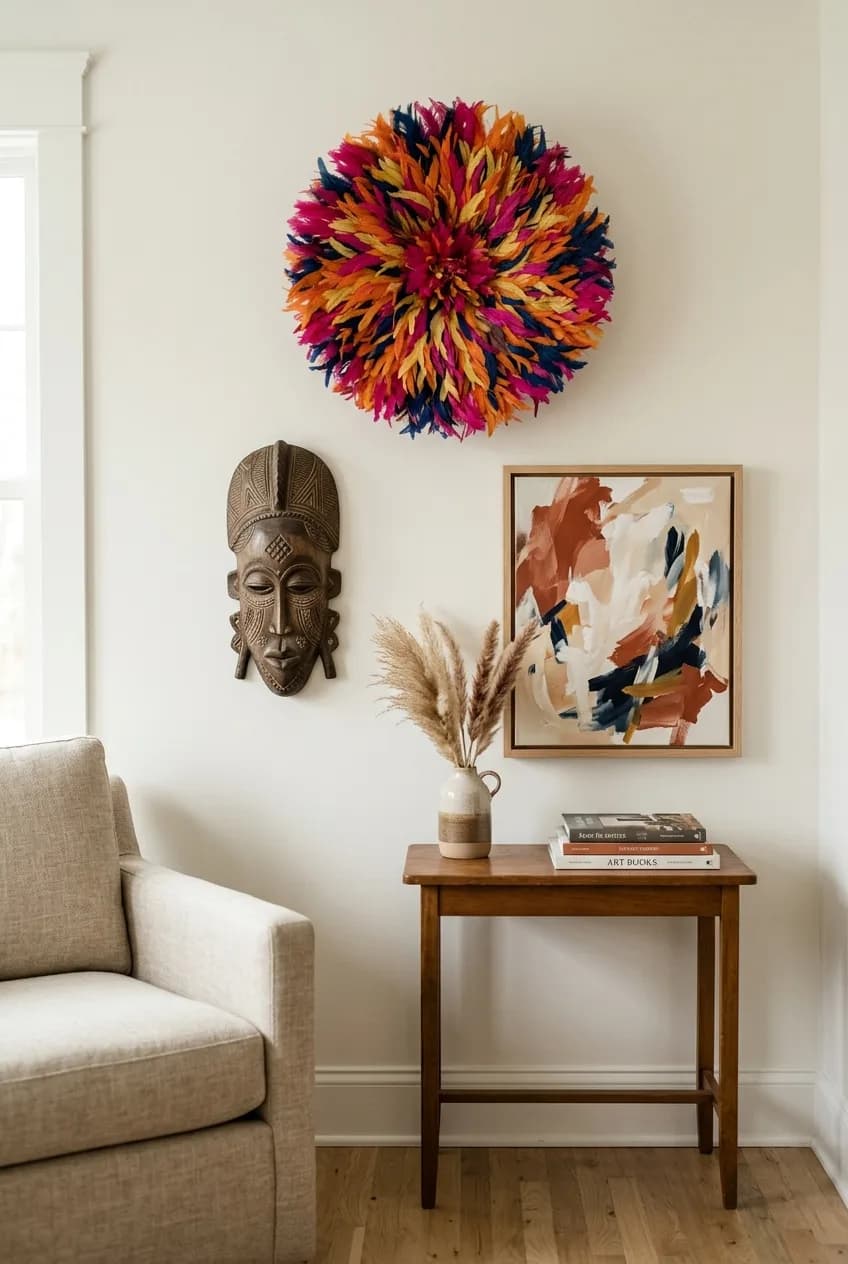
Your art collection is where the story of your space truly comes alive. Move beyond generic, mass-market prints and invest in pieces from Black artists, whether they are local to you or sourced from online galleries. Create a dynamic gallery wall that mixes different media and eras. You could pair a contemporary abstract painting with a traditional carved mask or a vibrant Cameroonian Juju hat.
Don't just hang things randomly; think about creating a visual conversation between the pieces. Your art wall is more than decoration; it's a testament to cultural history and vibrant, contemporary Black creativity. It becomes the true soul of the room and a natural conversation starter for any guest who enters your home.
5. Cultivate a Lush Indoor Jungle with Statement Greenery
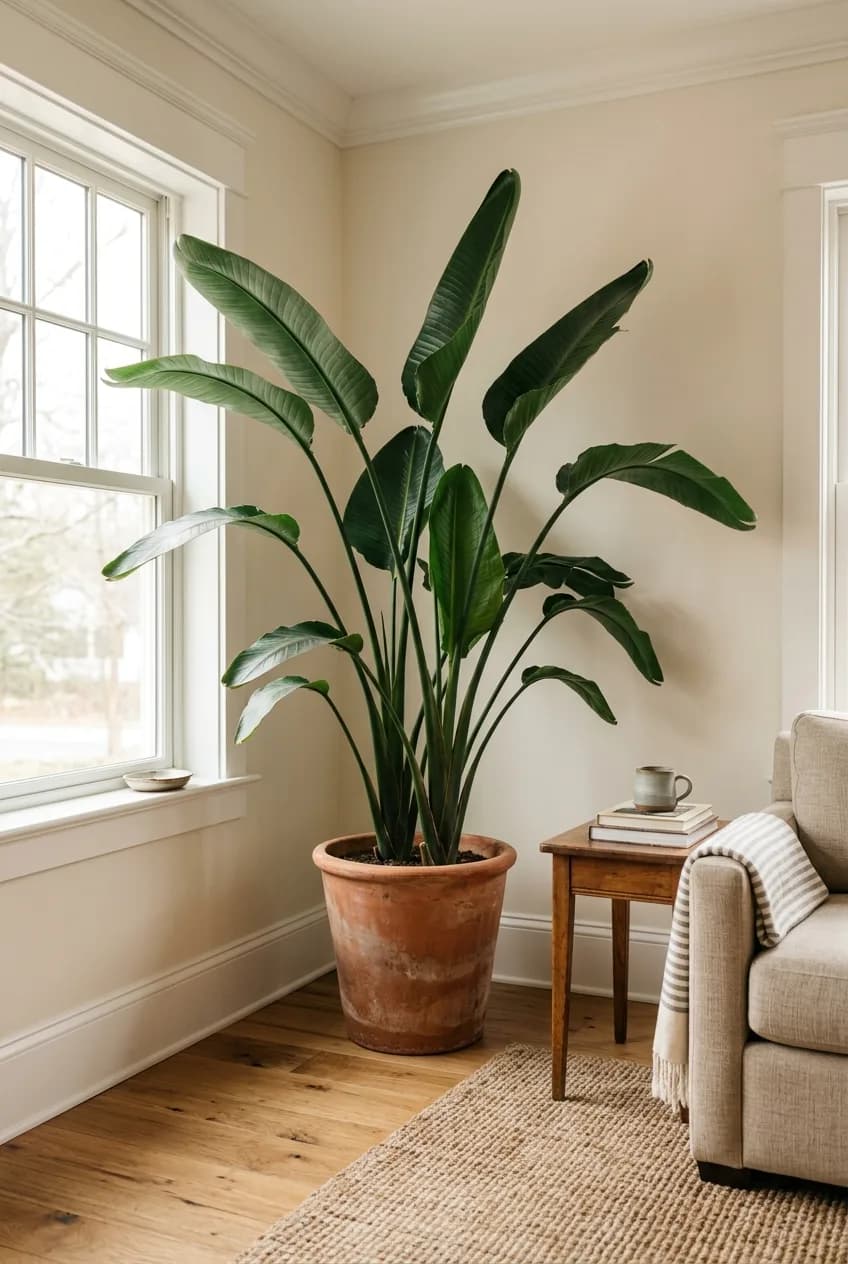
Plants breathe life and energy into any room, and in an Afrobohemian space, they are essential. Go for large-scale, dramatic plants to create a lush, jungle-like atmosphere. A towering Bird of Paradise, a sculptural Fiddle Leaf Fig, or a cluster of hardy Snake Plants in varying heights can make a huge impact. They add a vibrant pop of natural color that beautifully complements the earthy tones of the decor.
Nestle your green friends in planters that fit the aesthetic—think rustic terracotta, woven seagrass baskets, or hand-painted ceramic pots. The non-obvious trick here is to select plants that subtly evoke a tropical or savannah feel, like a Strelitzia nicolai (white bird of paradise). This consciously connects your greenery back to the core African element of the design, making the choice feel more intentional.
6. Choose Lived-In, Low-Profile, and Eclectic Seating
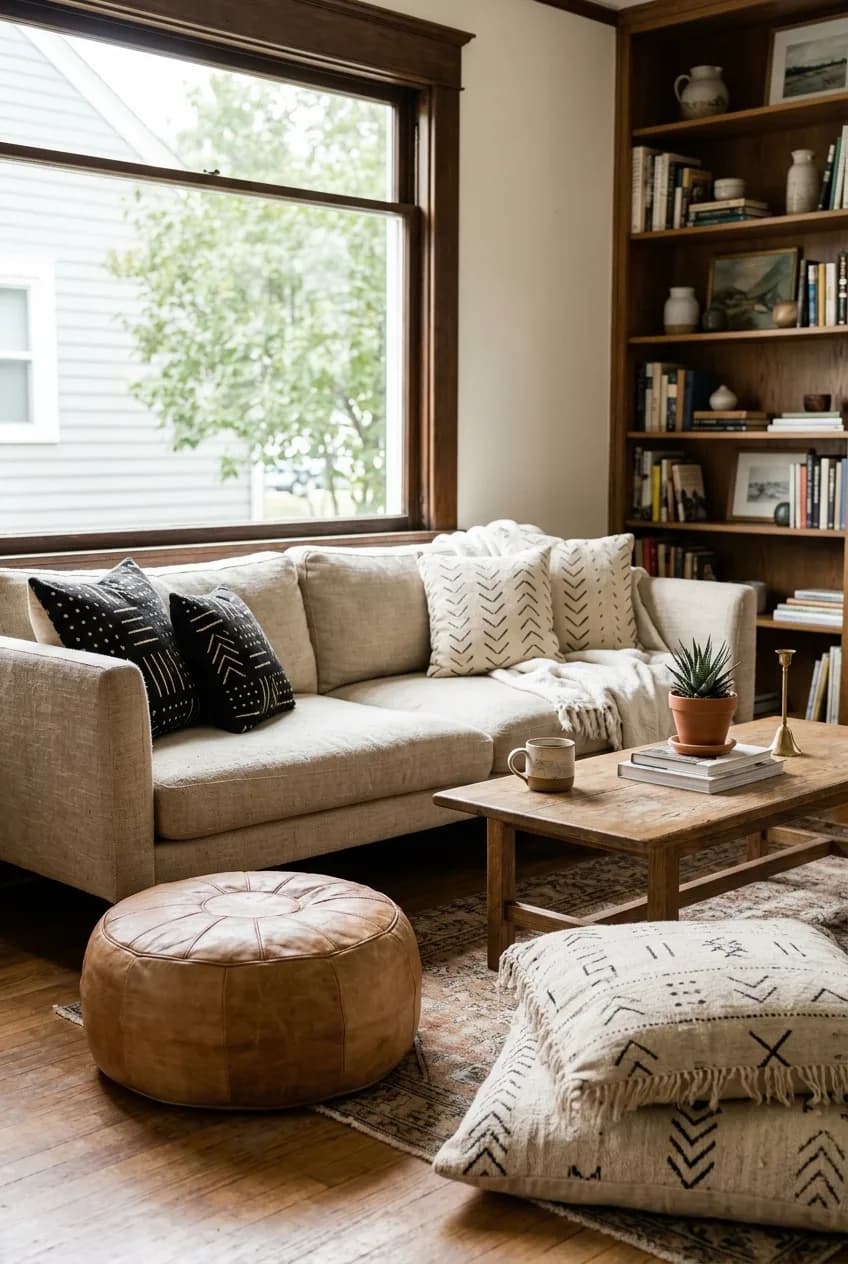
Comfort and community are central to the Afrobohemian living room. Opt for low-slung sofas that invite you to sink in, oversized floor cushions for casual seating, and authentic leather or textile poufs. This is not the place for a matching three-piece suite. Instead, create an eclectic mix of vintage finds, modern pieces, and handmade items for a look that feels curated over time.
A key insight is to arrange your furniture to prioritize human connection over a media focus. Think about creating intimate seating 'nooks' that encourage conversation, perhaps by facing two chairs towards each other with a small table in between, rather than pointing every single seat at the television screen. This simple shift in layout fosters a more relaxed, communal atmosphere perfect for lounging and talking.
7. Illuminate the Space with Warm, Layered Lighting
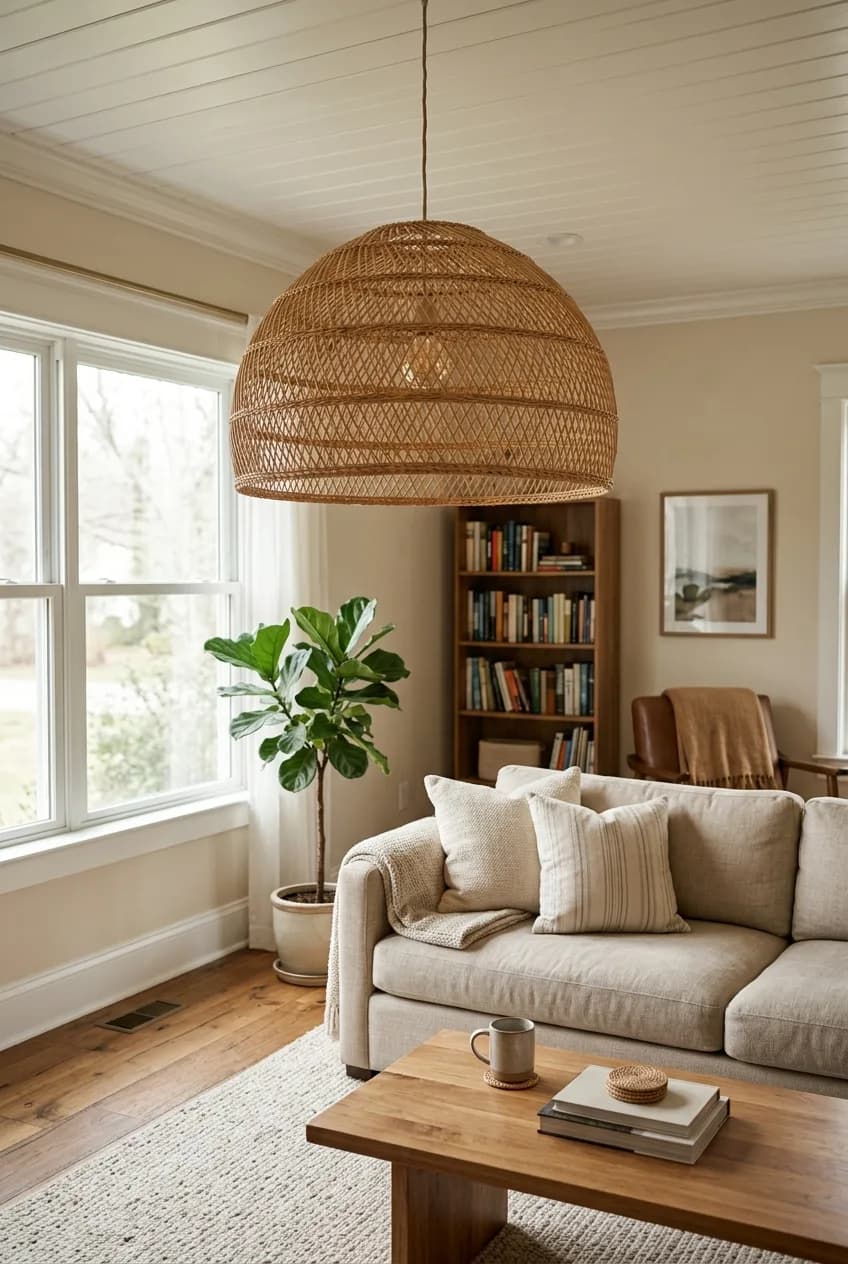
Harsh, central overhead lighting is the enemy of a cozy, inviting atmosphere. Instead, focus on creating layers of light from different sources and heights. A large woven rattan, seagrass, or beaded chandelier can serve as a stunning, sculptural centerpiece. Supplement this with floor lamps tucked behind chairs for reading and table lamps on side tables to cast a warm glow.
Pay close attention to your light bulbs—always choose warm-toned bulbs (around 2700K) to avoid a sterile, white light. The goal of Afrobohemian lighting is to mimic natural light, like a golden sunset. This warm, diffused glow is crucial for highlighting the rich textures of the textiles, the grain of the wood, and the intricate details of your art and decor.
8. Anchor the Room with a Boldly Patterned or Textured Rug
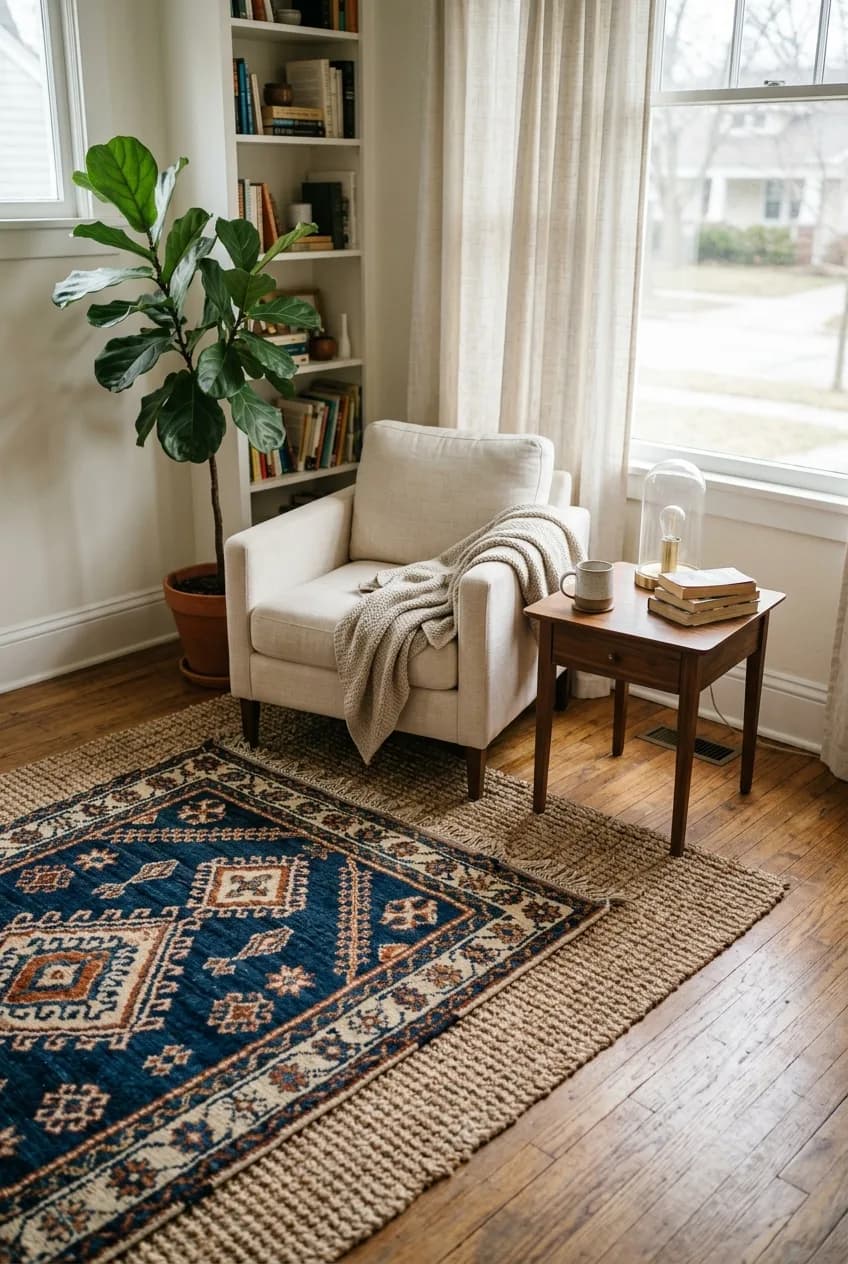
A rug is essential for defining the seating area and tying all the elements of the room together. Styles with a rich history and bold patterns, like Moroccan Beni Ourain or Berber rugs, are a perfect fit. Their geometric patterns and plush textures add both visual interest and physical comfort. For added depth and texture, try layering a smaller, more vibrant patterned rug over a larger, neutral natural fiber rug, like one made of jute or sisal.
Think of the rug as the 'fifth wall' in an Afrobohemian space. A bold choice here can actually define the entire room's palette and energy before a single piece of furniture is added. It's the foundation upon which all your other layers are built, so don't be afraid to choose something with personality.
9. Personalize with Global Decor and Handmade Objects
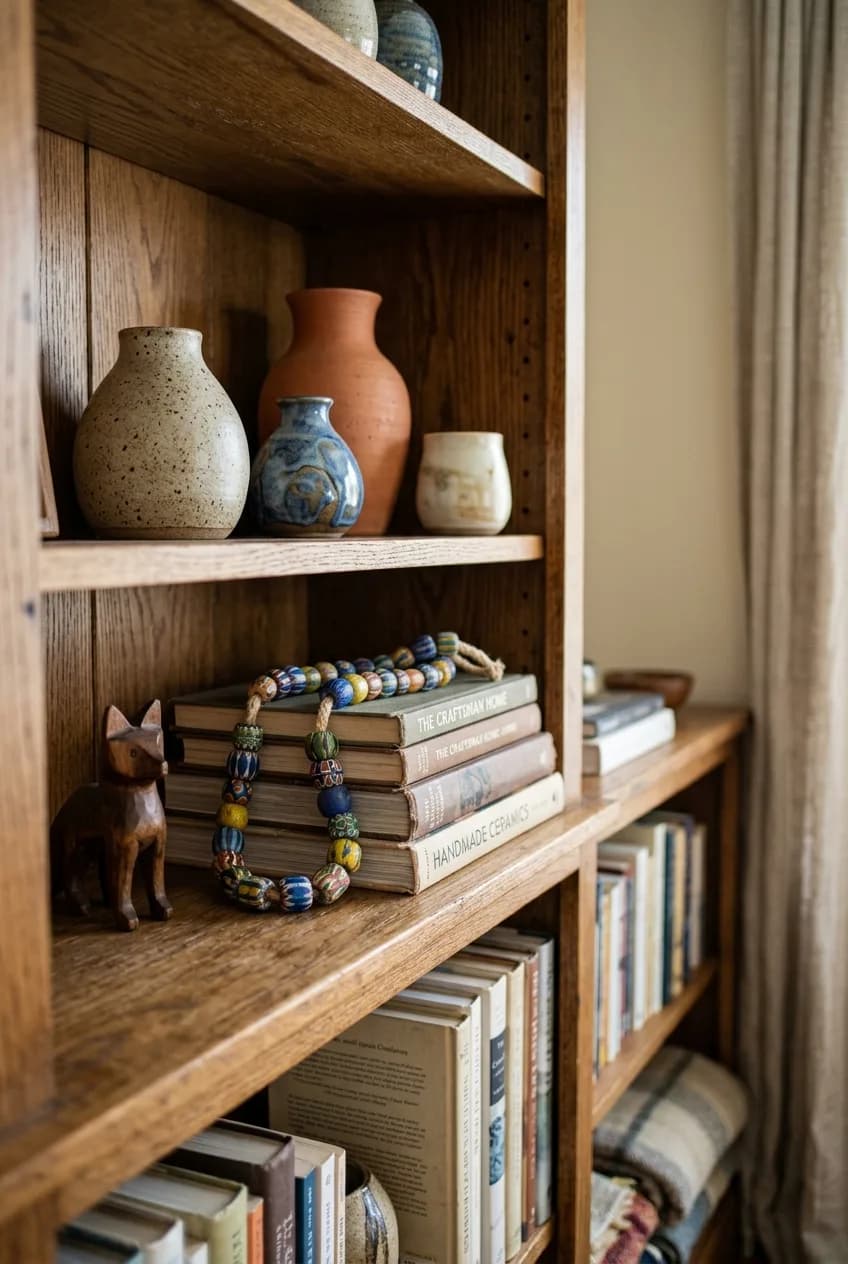
This final layer is where you infuse the space with your own unique personality. This is the 'bohemian' spirit of the traveler and collector coming to life. Display objects that have a story, whether it's handmade pottery from a local artist, carved wooden figures from a trip, or a bowl of collected beads or shells. These items should reflect your personal history, travels, and passions.
This is the critical step that prevents your living room from looking like a catalog showroom. It's the thoughtful fusion of your personal mementos with the culturally significant African art and textiles that completes the Afrobohemian narrative. Your home should look and feel like you, telling a story that is uniquely yours.