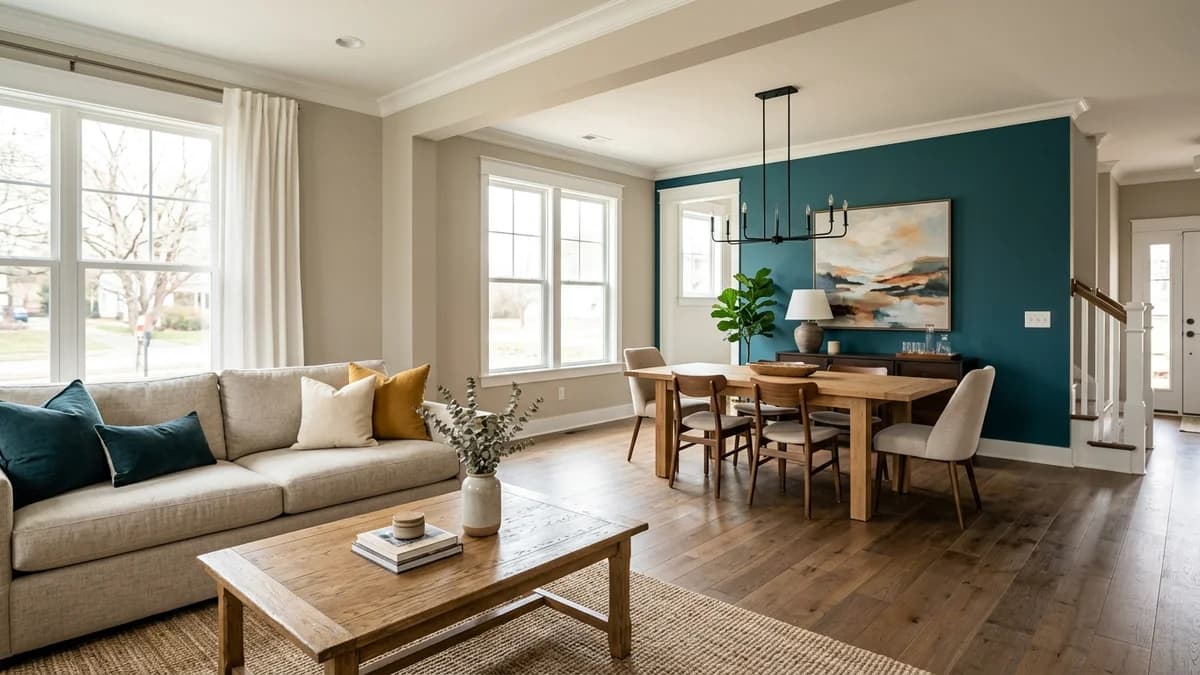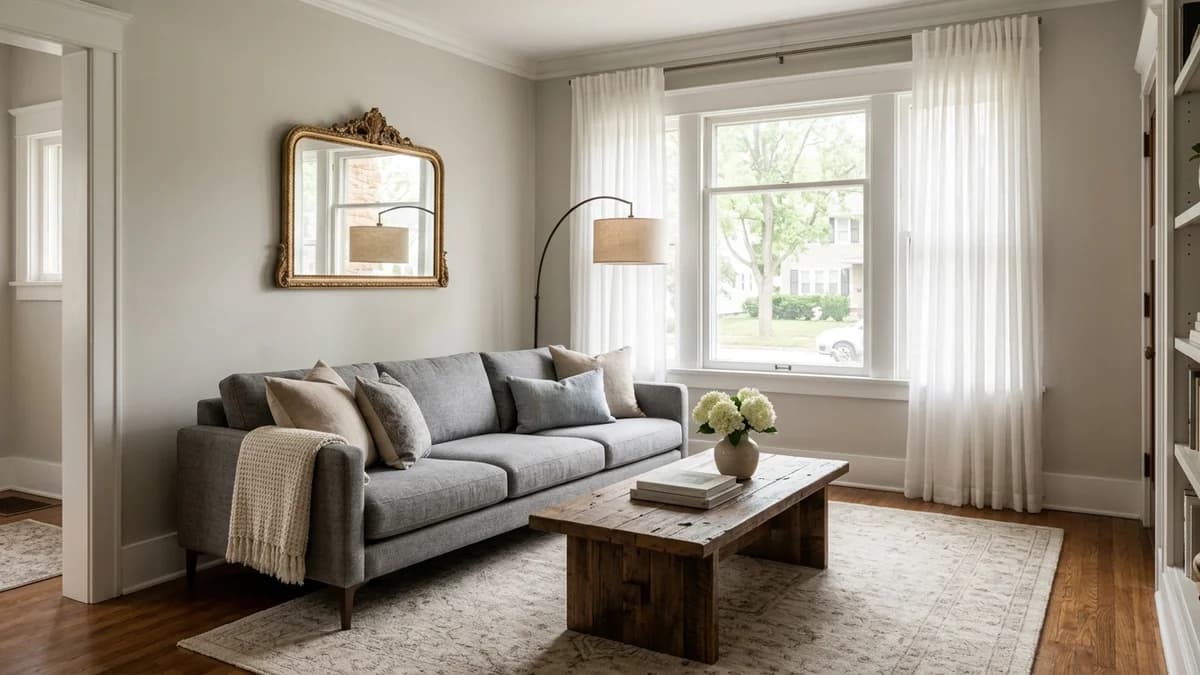
When faced with a small, dark room, the most common advice you'll hear is to simply paint it white. It makes sense on the surface—white reflects light, right? But in a room starved for light to begin with, this strategy can backfire spectacularly, leaving you with a space that feels more like a sad, gray box than a bright, airy retreat.
The truth is, tackling a room with limited or no natural light is less about fighting the darkness and more about mastering it. It’s a chance to be intentional and create a room with a distinct mood and character. Let's walk through how to choose a paint color that genuinely works, turning that challenging space into one of the most inviting spots in your home.
Why 'Just Paint It White' Is Often Bad Advice
White paint is a bit like a mirror; it needs something to reflect. In a sun-drenched room, it bounces all that lovely natural light around, creating a bright, expansive feel. But in a room without natural light, there's nothing for the white paint to reflect but the shadows themselves. This is why corners can look murky, walls appear flat, and the overall effect feels dingy and unwelcoming.
Not all whites are created equal, either. A stark white with cool, blueish undertones can feel sterile and institutional under artificial light. It can highlight every imperfection and make the lack of light feel even more pronounced. This doesn't mean all light colors are off the table, but it does mean a pure, bright white is rarely the answer.
So, when can a white-adjacent color work? If you have excellent, layered artificial lighting, a soft, warm off-white with creamy or yellow undertones can be beautiful. Think shades like Swiss coffee or linen. These have enough pigment to hold their own and create a gentle, luminous glow instead of just reflecting shadows back at you.
Your Core Strategy: Embrace the Cozy or Fight for Light?
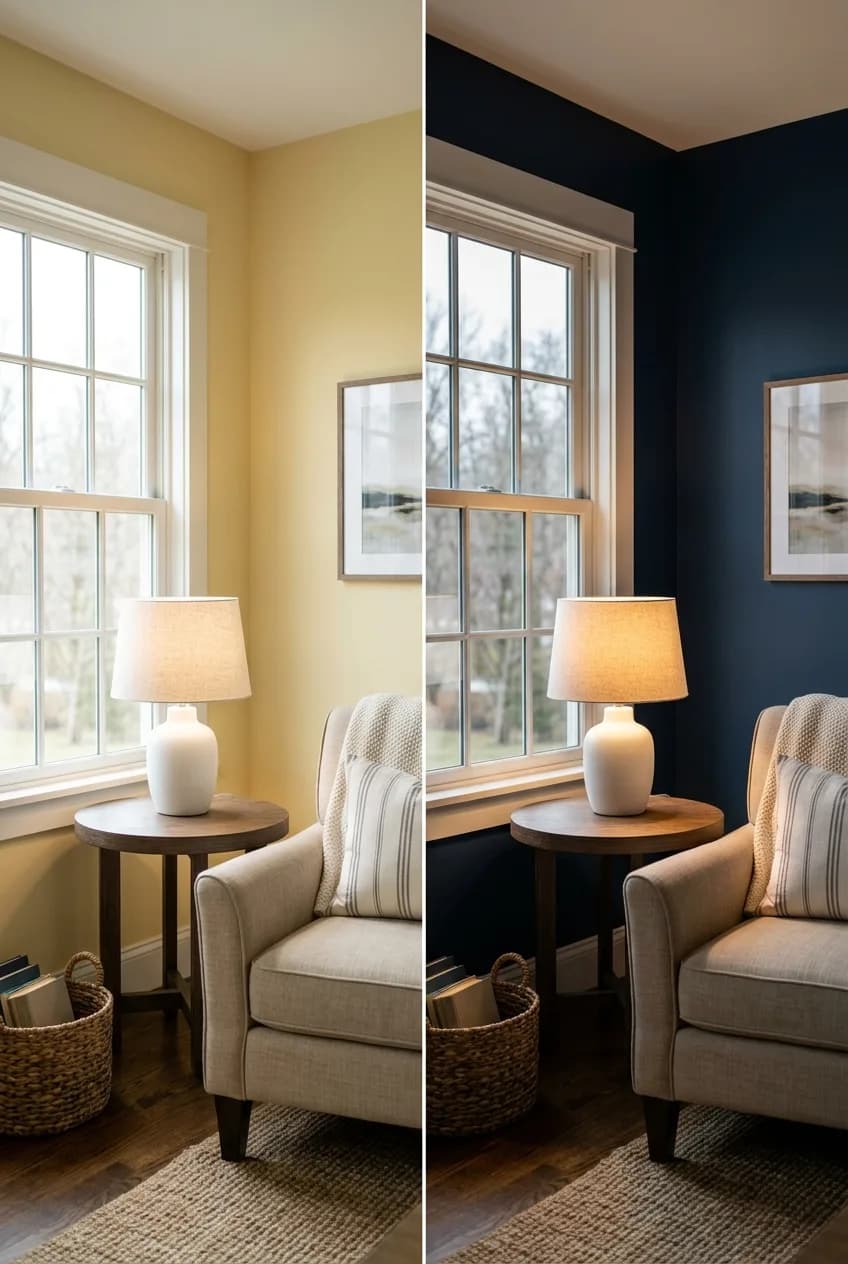
Before you even look at a paint chip, you need to make a fundamental decision about the mood you want to create. For a small, dark room, you have two primary paths, and they are wonderfully opposite. Do you want to maximize every bit of available light, or do you want to lean into the room's inherent nature?
Option 1: Fight for Light
This strategy uses light, soft colors to make the room feel as bright and open as possible. This isn't about using stark white, but rather choosing colors that have a luminous quality under artificial light. These shades are excellent for small bathrooms, hallways, or any space where you want an energetic, airy feeling.
- Mood: Airy, fresh, and uplifting.
- Best Colors: Pale sage green, buttery yellows, soft blush or peach tones, and very light, warm grays.
- Pros: Can make a space feel larger and cleaner. It enhances artificial lighting.
- Cons: Can still look a bit flat if the lighting isn't layered and well-planned.
Option 2: Embrace the Cozy
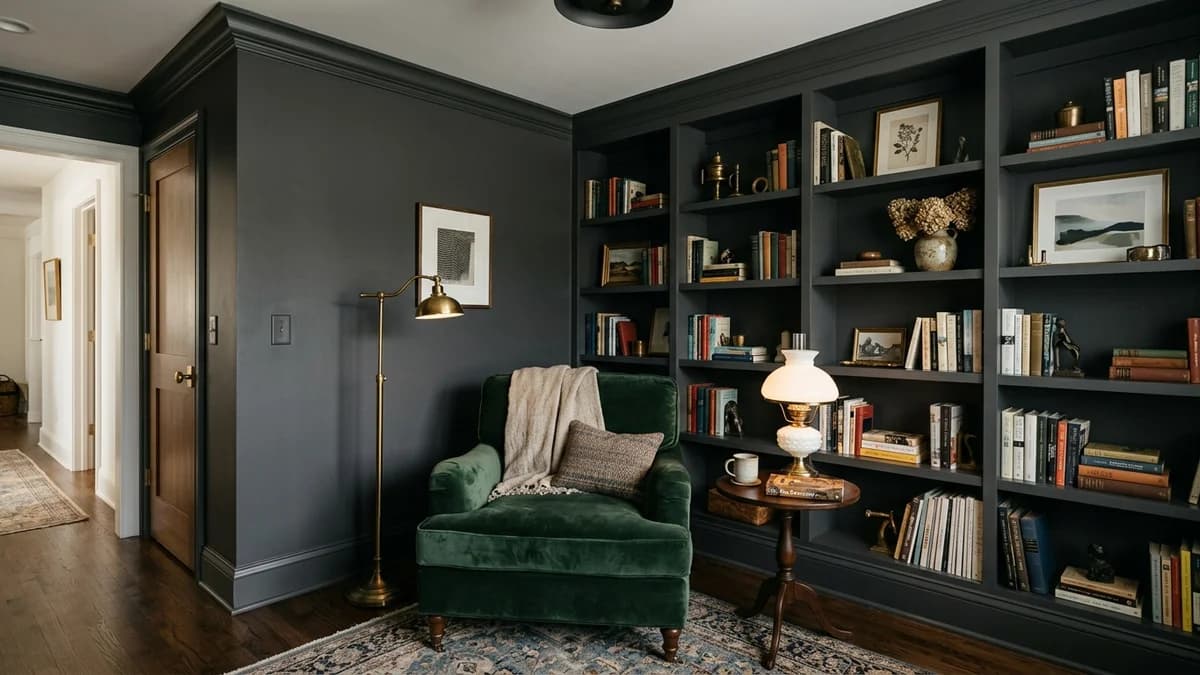
This is the more daring—and often more successful—approach. Instead of fighting the dark, you embrace it. By using a deep, saturated color, you create a dramatic, enveloping space that feels intentional and sophisticated. This is perfect for a den, powder room, home office, or bedroom where you want a moody, cocoon-like atmosphere.
- Mood: Dramatic, intimate, and luxurious.
- Best Colors: Deep navy, charcoal gray, rich emerald or forest green, and dark teal or plum.
- Pros: Creates a strong, intentional design statement. It also hides imperfections in the walls.
- Cons: Requires commitment! This look works best when you carry the drama through with lighting and decor.
A fascinating trick with dark colors is that they can actually make a small room feel bigger. By painting all the walls a deep, rich color, you blur the corners and edges of the room. This makes the boundaries recede, creating a sense of depth and mystery that a light color simply can't achieve.
The Secret Weapon: How Paint Finish Changes Everything
Choosing the color is only half the battle. The paint's finish, or sheen, has a massive impact on how light behaves in your room. In a dark space, this choice is even more critical because every bit of reflected light counts. Using the wrong sheen can absorb what little light you have, making your carefully chosen color feel flat and lifeless.
Generally, the higher the gloss, the more light the finish will reflect and the more durable it will be. But too much shine can create glare and highlight every tiny flaw on your walls. Here's a quick breakdown:
Finish | Light Reflection | Best For | Notes for a Dark Room |
|---|---|---|---|
Matte / Flat | Very Low | Ceilings in most rooms | Avoid on walls. It absorbs light and can make the room feel even darker and smaller. It's also difficult to clean. |
Eggshell | Low | Walls in low-traffic areas like bedrooms | A decent choice, but satin is often better for bouncing a bit more light without much noticeable shine. |
Satin | Medium | Walls in most spaces, including hallways and bathrooms | This is the sweet spot for dark rooms. It has a soft glow that gently reflects light, adding dimension without looking glossy. |
Semi-Gloss | High | Trim, doors, and cabinetry | Excellent for trim and doors to catch the light and create subtle contrast. Too shiny for all-over walls. |
More in Home Decor
Hiring a Color Consultant: Is It Worth It or Can You DIY?
For walls, satin is almost always your best bet in a dark room. For trim and doors, step up to satin or semi-gloss to help define the architecture. And here's an old designer trick: consider using a satin or 'soft gloss' finish on the ceiling. It will gently bounce light down into the room, creating an illusion of height and brightness without a distracting, mirror-like shine like a full gloss would.
Think Beyond the Walls: Ceilings and Trim
Once you've picked your wall color and finish, don't stop there. What you do with the trim and ceiling can either unify your space or visually chop it up into smaller pieces. In a small room, creating a cohesive, seamless look is key.
Painting trim a crisp, contrasting white is a classic look, but in a small, dark room, it can create harsh lines that draw attention to the room's small dimensions. Instead, try painting the trim the exact same color as the walls. This makes the walls appear taller and the room feel larger because your eye isn't stopping at the border between wall and trim. For a subtle, elegant effect, use the same color but in a higher sheen—for example, satin on the walls and semi-gloss on the trim. This adds architectural detail and reflects a bit more light without introducing a new, jarring color.
For the ultimate moody, expansive feel, consider 'color drenching'. This involves painting the walls, trim, doors, and even the ceiling all in the same color. It's a bold move, but it completely erases the room's boundaries, creating an incredibly immersive and sophisticated space. Far from making it look smaller, this technique creates a seamless jewel-box effect that feels boundless.
How to Properly Test Paint in a Windowless Room
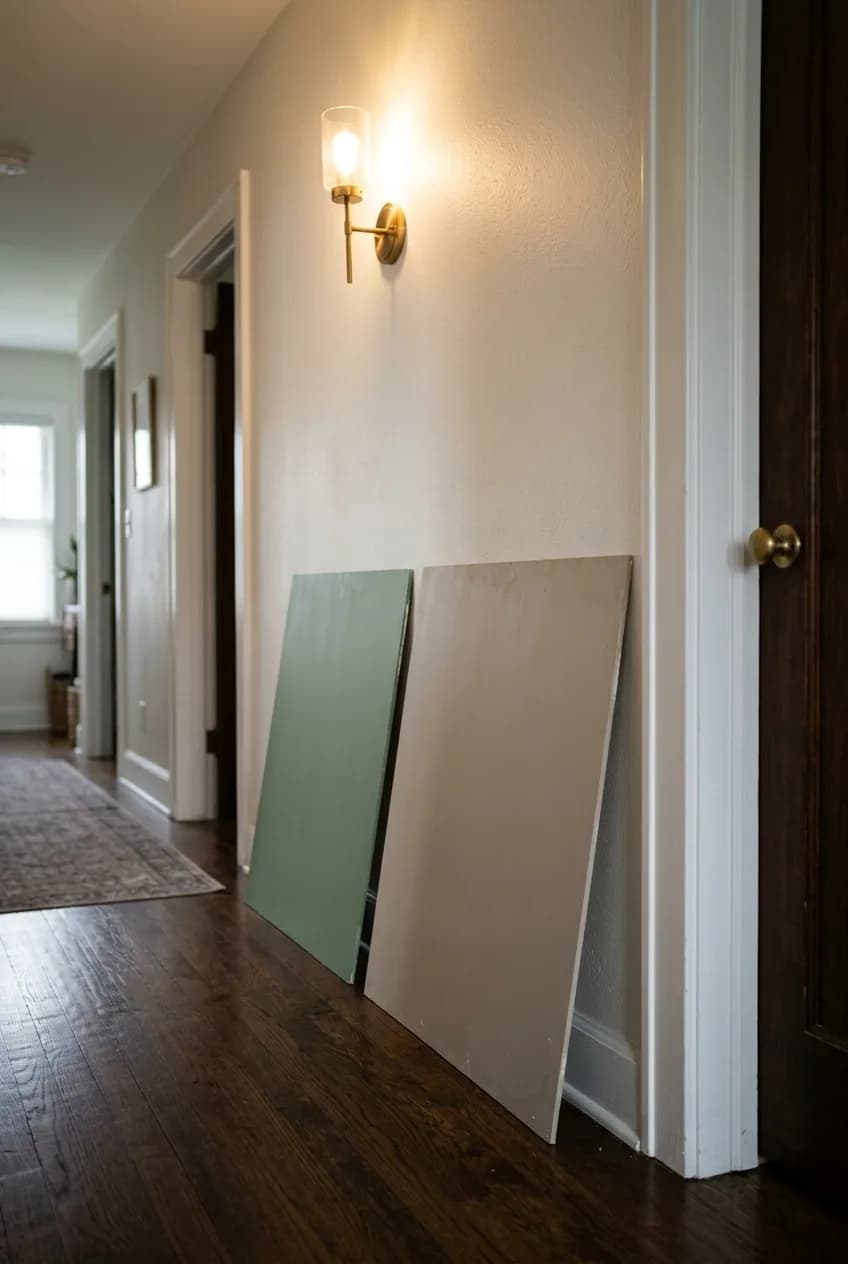
In a room without natural light, those tiny paper paint chips from the store are completely useless. The color you see under the fluorescent lights of the hardware store will look nothing like it does in your room, under your specific lamps. You absolutely must test large samples in the space itself.
Follow these steps to get a true read on your potential paint color:
- Buy Sample Pots: Don't commit to a gallon. Get small sample pots of your top 2-3 colors.
- Use Poster Board: Paint two coats onto large white poster boards (at least 2 feet by 2 feet). Don't paint directly on your current wall, as the existing color will influence how you perceive the new one.
- Move Them Around: Tape your painted boards to different walls in the room. Color can look dramatically different on the wall opposite the door versus a side wall.
- Test with Your Lights: Since you're dealing with artificial light only, don't worry about checking at different times of day. Instead, check the samples with your specific lights. See how the color looks with just the overhead fixture, then with only a table lamp, and then with both on. Your light bulbs are as critical as your paint color, so test the samples under the exact Kelvin temperature (e.g., 2700K for warm, cozy light or 4000K for cool, white light) you plan to use. This can completely change a paint's appearance.
- Check Against Fixtures: Place your sample boards right next to things that aren't changing, like your wood flooring, a sofa, or bathroom tile. You're not just choosing a color you like; you're choosing a color that works with what's already there.